Ensuring a seamless experience at Milano EXPO 2015 for over 250,000 daily visitors
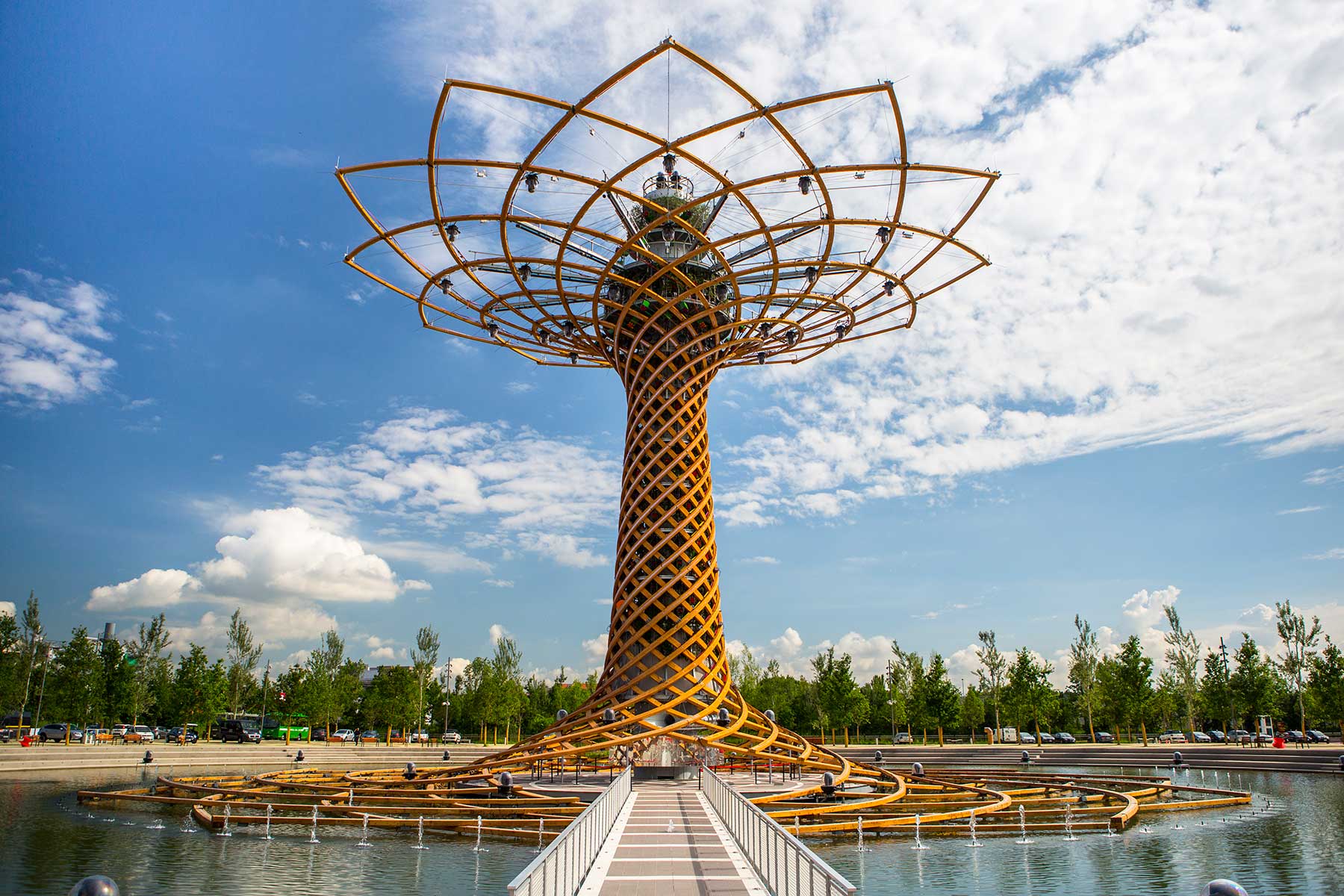
The development of the Master Plan for Expo 2015 represented a highly complex planning and design challenge. Ensuring efficient operations required a deep understanding of mobility demand and visitor behaviour, particularly given the expected attendance of approximately 250,000 visitors during peak days.
A data-driven approach to mobility analysis was essential to anticipate flow dynamics, prevent congestion, and guarantee a seamless visitor experience across the entire exhibition site.
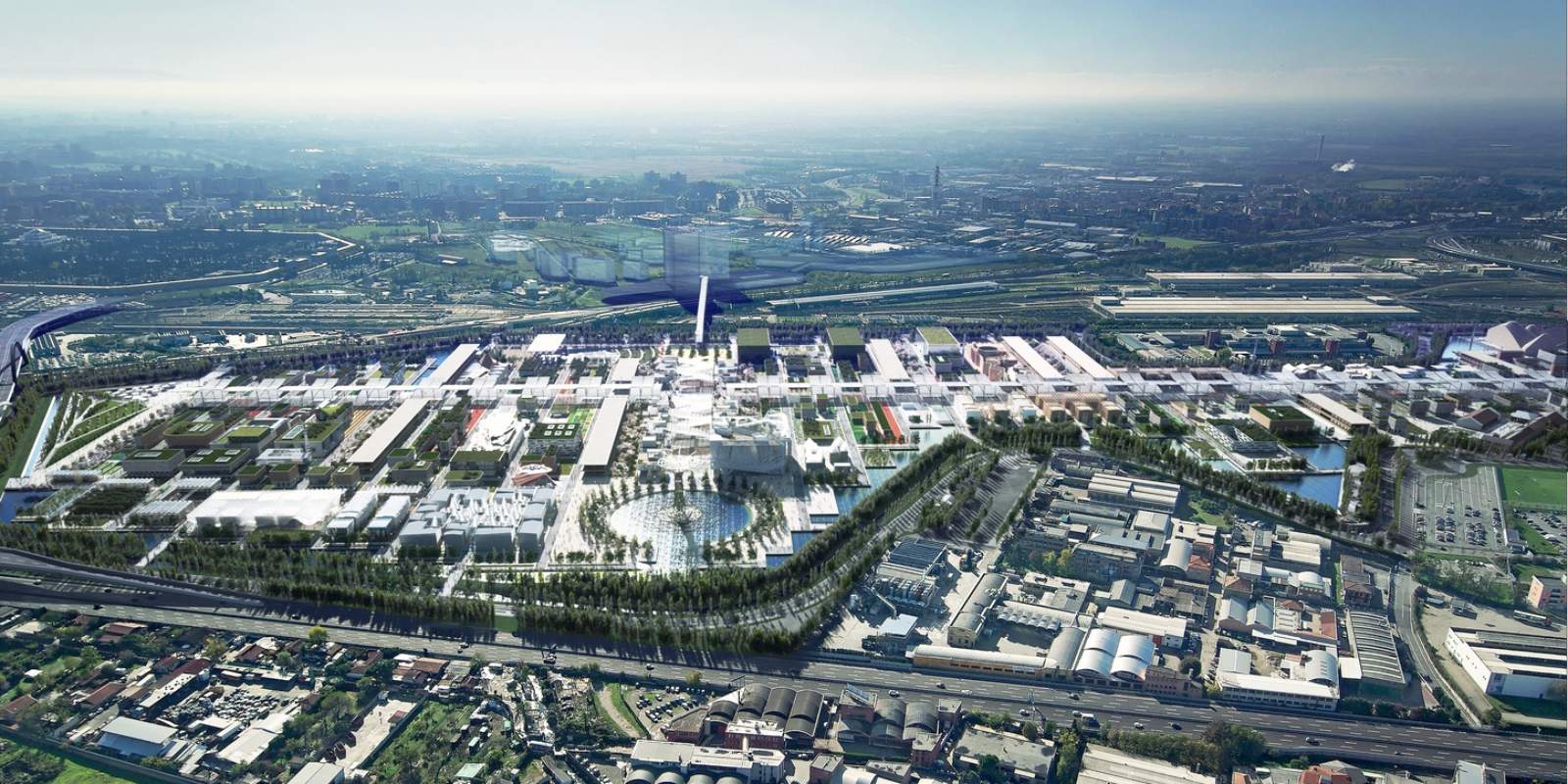
Systematica was appointed to deliver a comprehensive accessibility and internal mobility strategy for the entire Expo site, located within the Rho Fieramilano exhibition complex.
The scope included the analysis, modeling, and optimization of pedestrian and transport flows, ensuring efficient connections between arrival points, circulation routes, and exhibition areas.
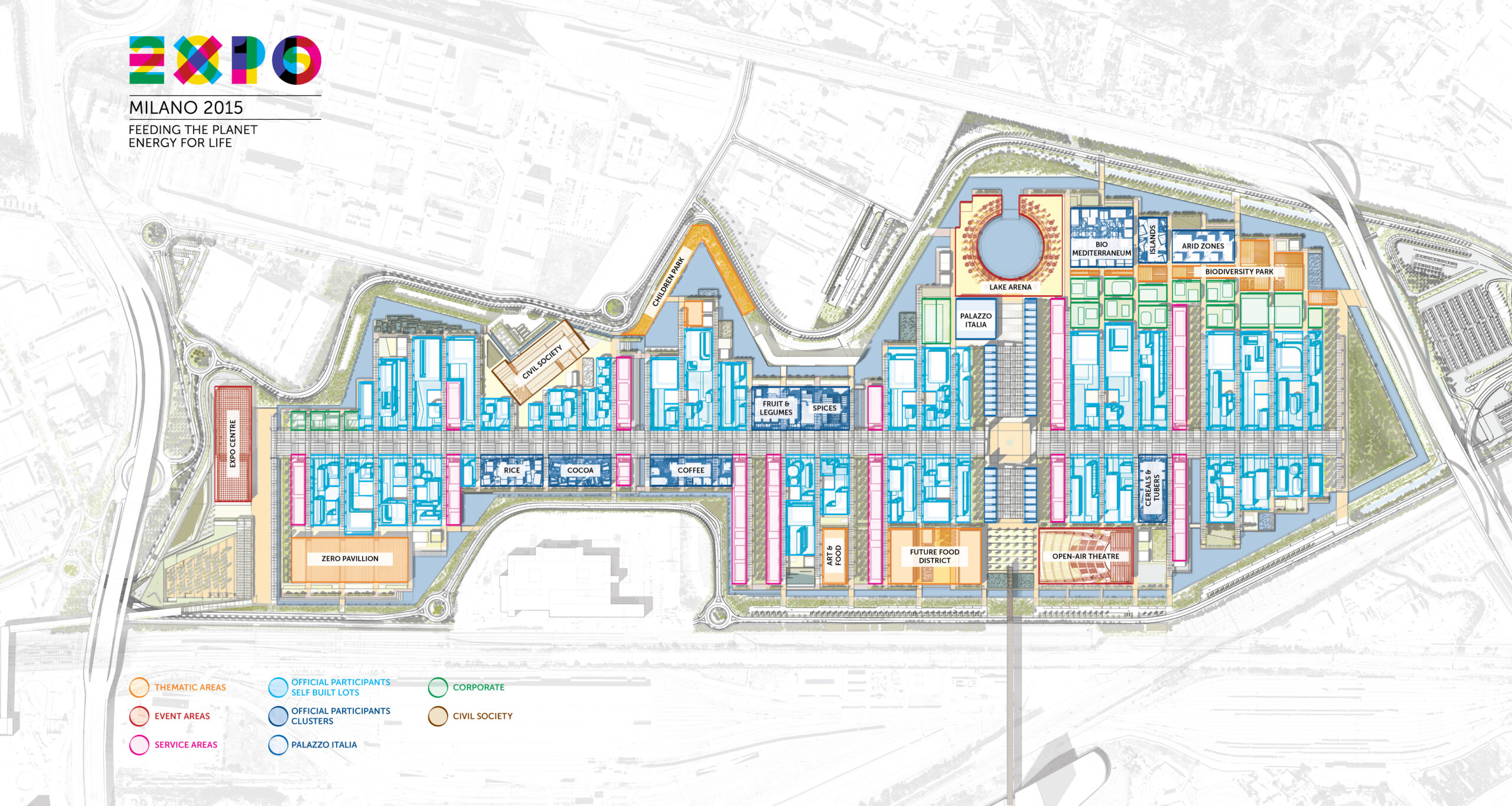
Systematica adopted a rigorous, multi-level analytical approach combining advanced simulation tools with strategic planning methodologies.
Following an in-depth assessment of pedestrian flow patterns, the team developed a customized dynamic micro-simulation model using the specialized software Legion.
This enabled the simulation of real-time crowd movements and the identification of critical pressure points, like the safety control barriers at the main access gates. They were key areas required to manage high volumes of visitors arriving via both private and public transport.
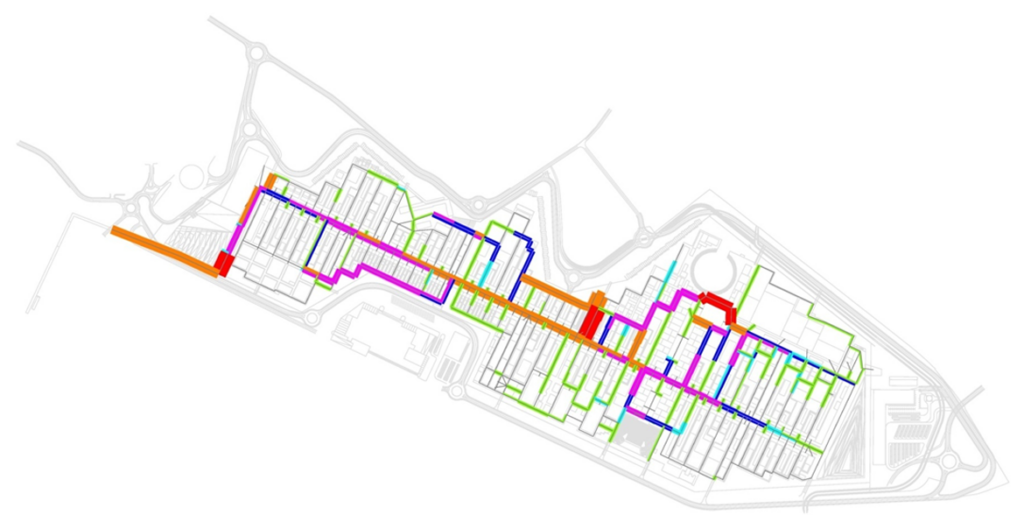
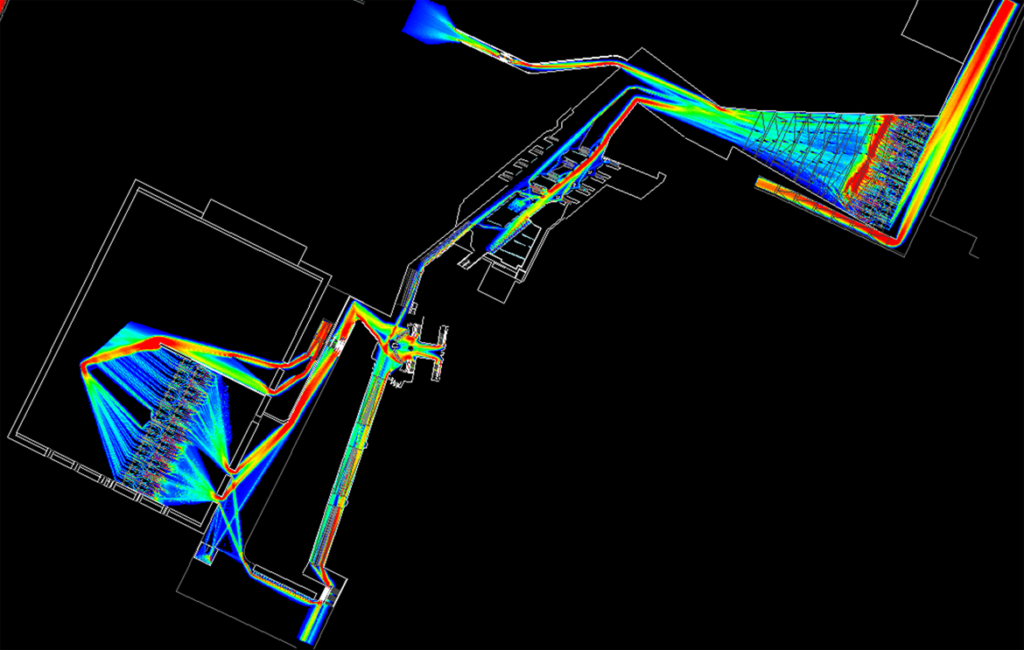
In parallel, a pedestrian static macroscopic model was implemented to optimize the spatial distribution of flows across the site. This approach informed the strategic positioning of functions and amenities at ground level, ensuring balanced circulation and minimizing bottlenecks.
The integration of advanced modeling tools and data-driven planning ensured high performance in terms of accessibility and internal mobility throughout the event.
Key outcomes included:
- Seamless connectivity between metro stations, parking areas, and exhibition zones
- Efficient use of pedestrian pathways, enabling intuitive navigation across the site
- Proactive identification of high-density areas, allowing staff to implement effective crowd management strategies
Overall, the project supported a smooth, safe, and efficient visitor experience, contributing to the successful operation of one of the largest international events to happen in Milan and in Europe.