Balancing accessibility and heritage preservation in a UNESCO site, supporting everyday mobility and long-term regeneration
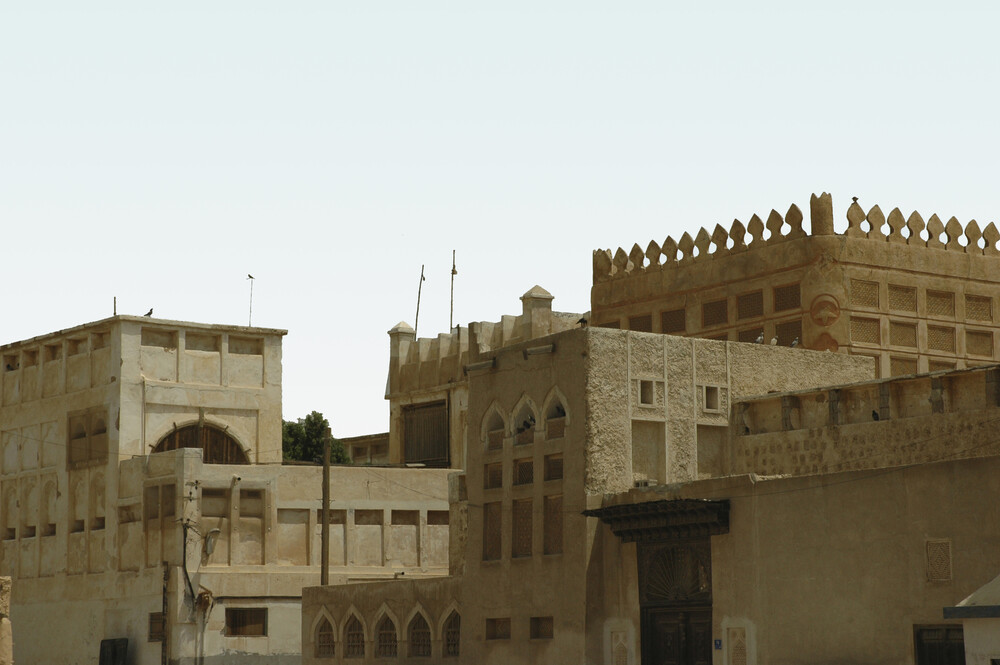
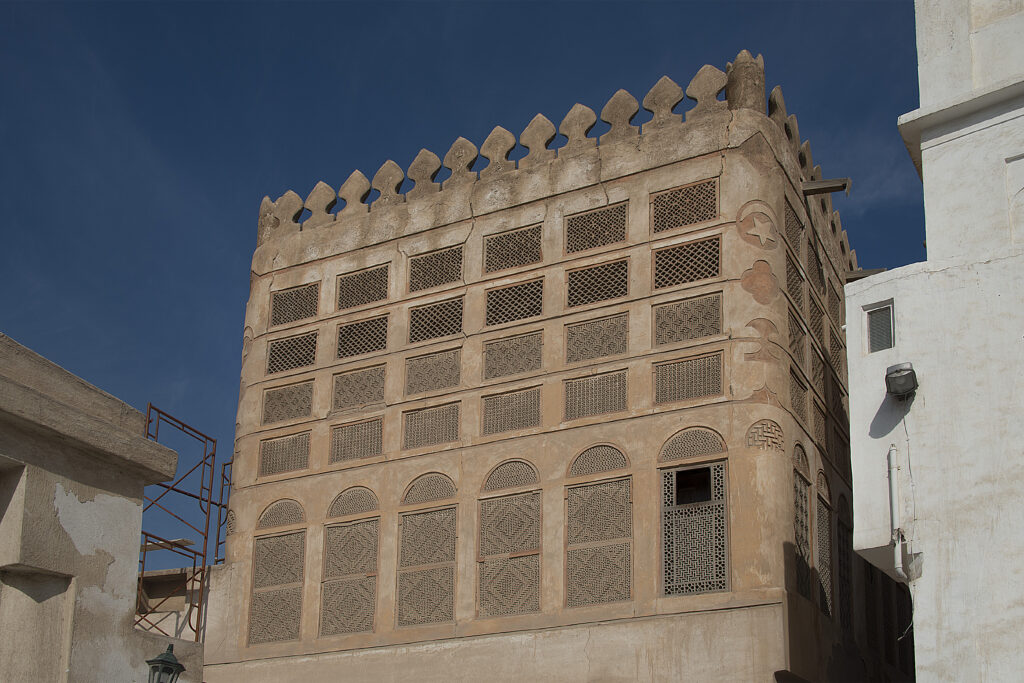
The project took place in Pearling Testimony, a UNESCO World Heritage site, located in Muharraq, Bahrain. The site represents the legacy of the early 20th-century pearling economy, once central to the cultural and economic identity of the region.

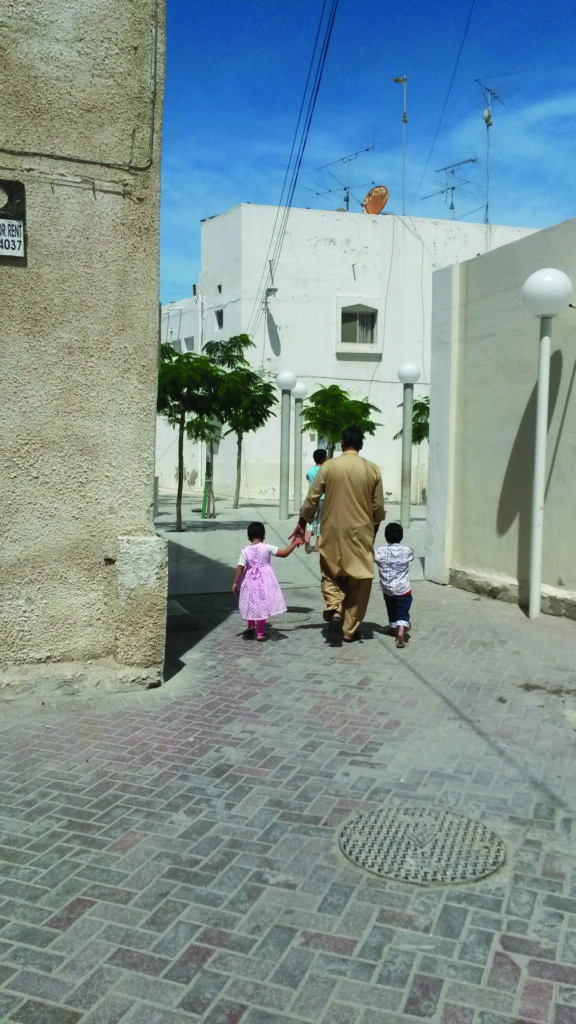
The heritage regeneration project reconnects 17 historic buildings through a 3.4 kilometer visitor pathway woven into the urban fabric of Muharraq’s historic district. The path crosses very different urban environments, from renovated pedestrian areas to congested retail streets, from very dense urban fabric to low density residential areas. While the initiative aims to revitalise the area as a cultural destination, it must also continue to function as a living neighbourhood for local residents.
Planning transportation and mobility systems in historic urban centres presents unique challenges. Solutions must respect the architectural heritage and narrow street network while improving accessibility, safety, and the overall visitor experience.
The key challenge was therefore to introduce innovative mobility and pedestrianisation strategies that preserve the site’s historical integrity while enhancing everyday mobility and supporting the area’s long-term regeneration.
Systematica was appointed by the Bahrain Authority for Culture and Antiquities to conduct a comprehensive mobility and parking assessment for the UNESCO heritage site.
The objective was to analyse the existing traffic and parking conditions and develop mobility strategies that support the creation of pedestrian-priority zones, while maintaining accessibility for residents, visitors, and service vehicles.
This work formed a key component of the broader regeneration master plan for Muharraq, ensuring that mobility solutions reinforce the site’s cultural and social value.
Systematica applied a context-sensitive mobility planning approach, taking into account the physical constraints, cultural context, and behavioural patterns of the historic district. The extensive surveys were fundamental to enrich the database that informed all the analyses, from traffic to parking.
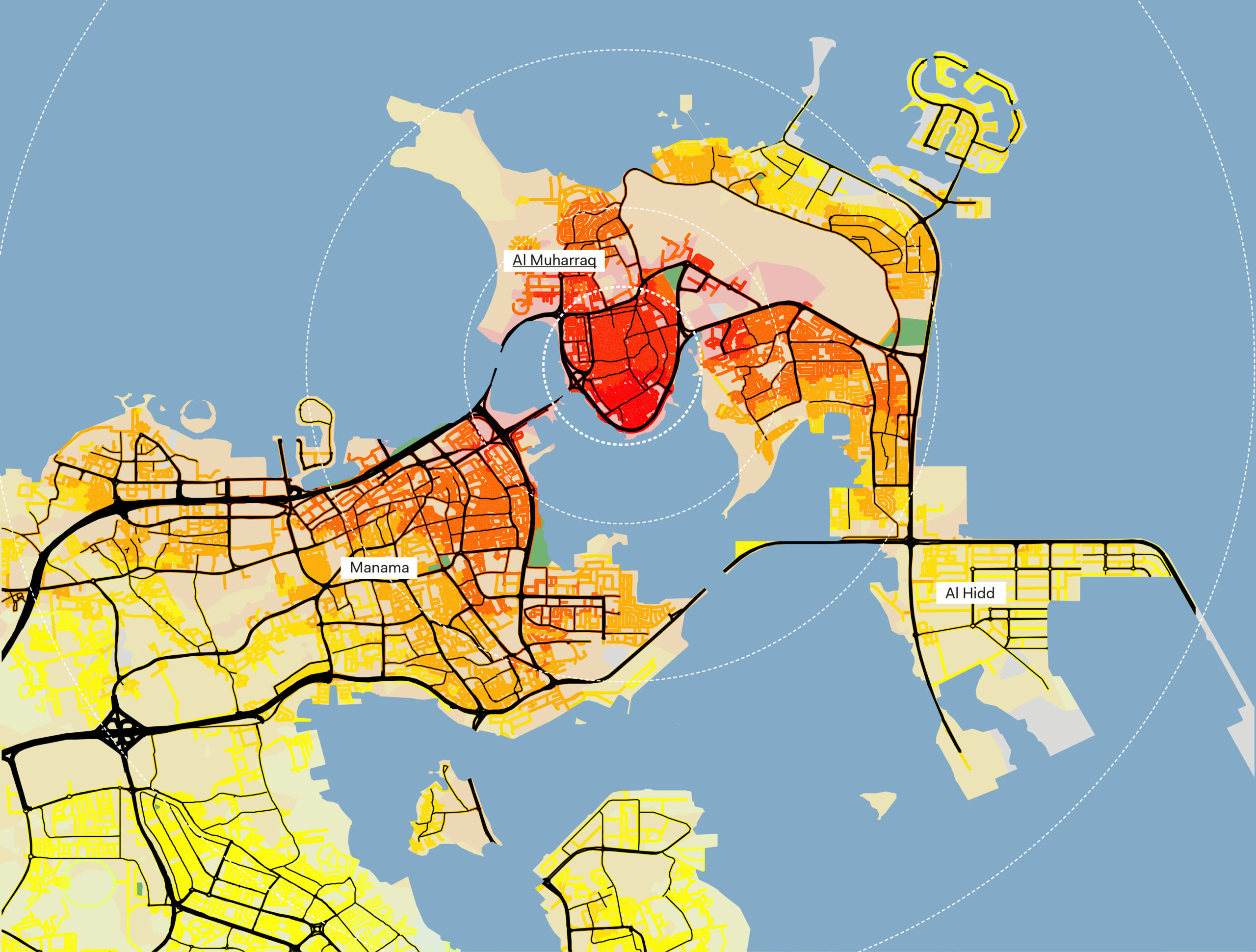
Spatial analysis was a key focus of the study. GIS, Space Syntax, and a range of additional tools provided robust support for the recommendations and proposed solutions.
Systematica developed an integrated mobility framework that balances accessibility with heritage preservation. A set of guidelines and planning solutions were provided to address the multi-faceted issues of transportation and mobility.
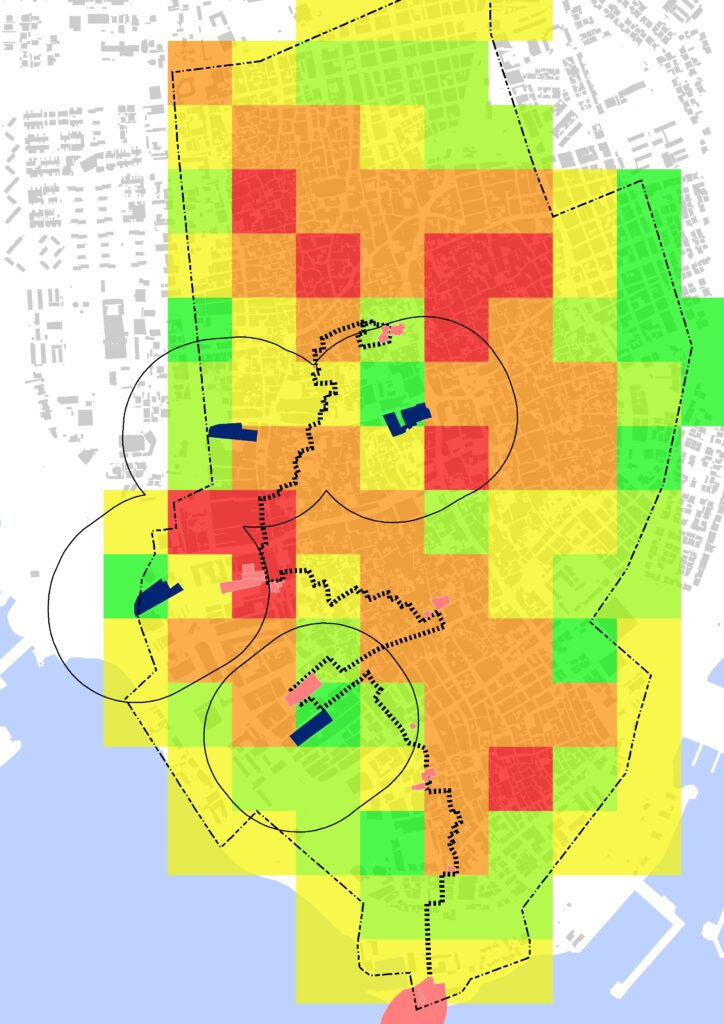
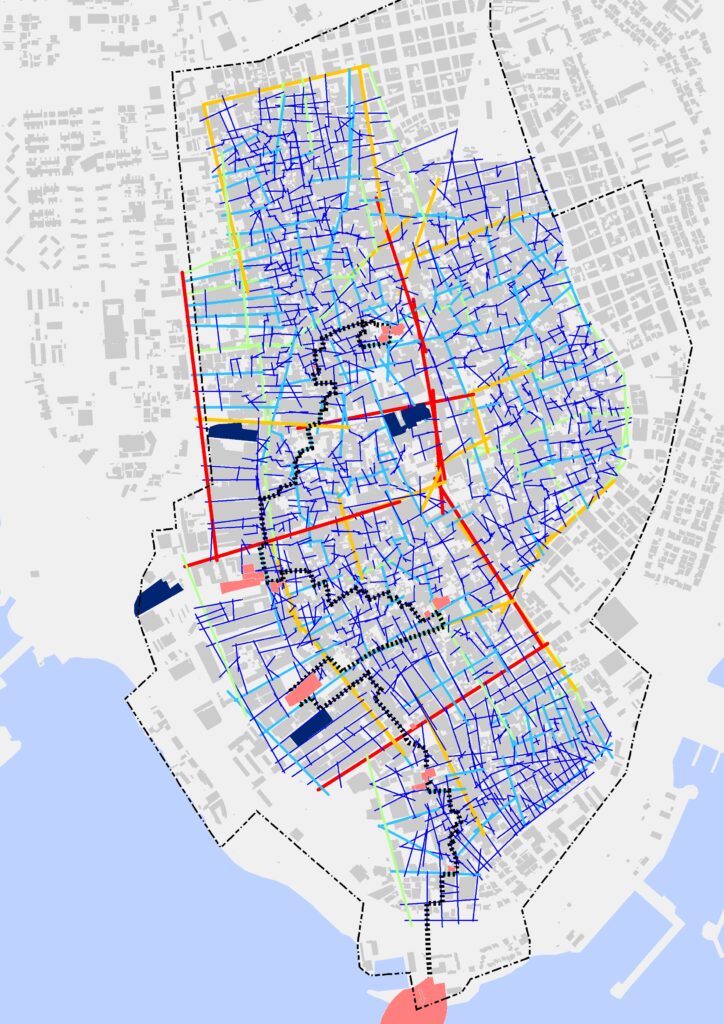
Systematica delivered a comprehensive set of mobility strategies and planning guidelines to support the long-term regeneration of the UNESCO heritage site.
The strategy addressed all major transport components, including:
- Vehicular traffic management
- Public transport accessibility
- Parking strategy
- Delivery and service vehicle access
- Pedestrian circulation
- Wayfinding and visitor orientation systems
Particular attention was dedicated to four strategic plots identified for future parking structures, designed to reduce vehicle pressure within the historic centre while maintaining convenient access for residents and visitors.
By integrating heritage-sensitive design with modern mobility planning, the project helped transform Muharraq’s historic district into a more accessible, walkable, and vibrant cultural destination, while preserving the authentic character of one of Bahrain’s most significant heritage sites.