Defining a multimodal mobility framework and roadmap for a fast-growing, car-dependent city

The Ibri Structure Plan represents a statutory framework for guiding the long-term development of Ibri, integrating service provision, infrastructure, land use, and economic growth into a single, coordinated vision for Ibri’s urban area.
The plan delivers a comprehensive and robust planning solution, structured around 6 main concepts:
- Create a formal city structure
- Consolidate and contain the urban sprawl
- Revitalizing the historic city centre
- A human-centric city-new loop road
- Green heart and retention of villages
- Protect and enhance the city’s skyline
A key challenge was to translate strategic ambition into actionable and scalable solutions, ensuring that future growth remains structured, efficient, and sustainable.
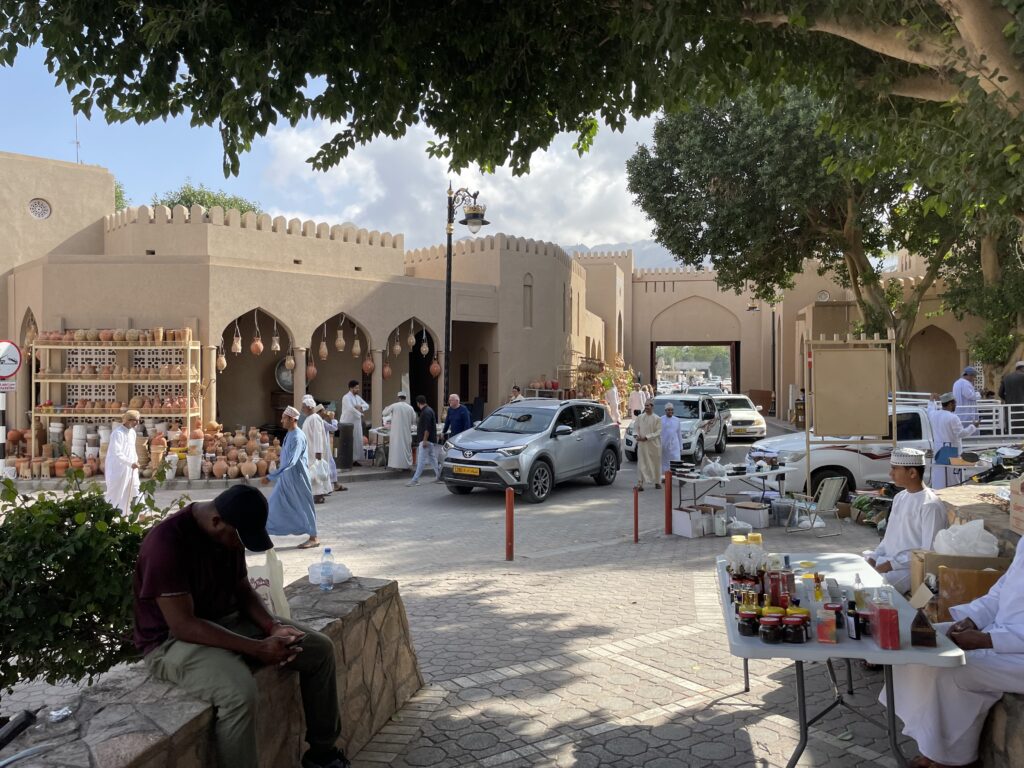
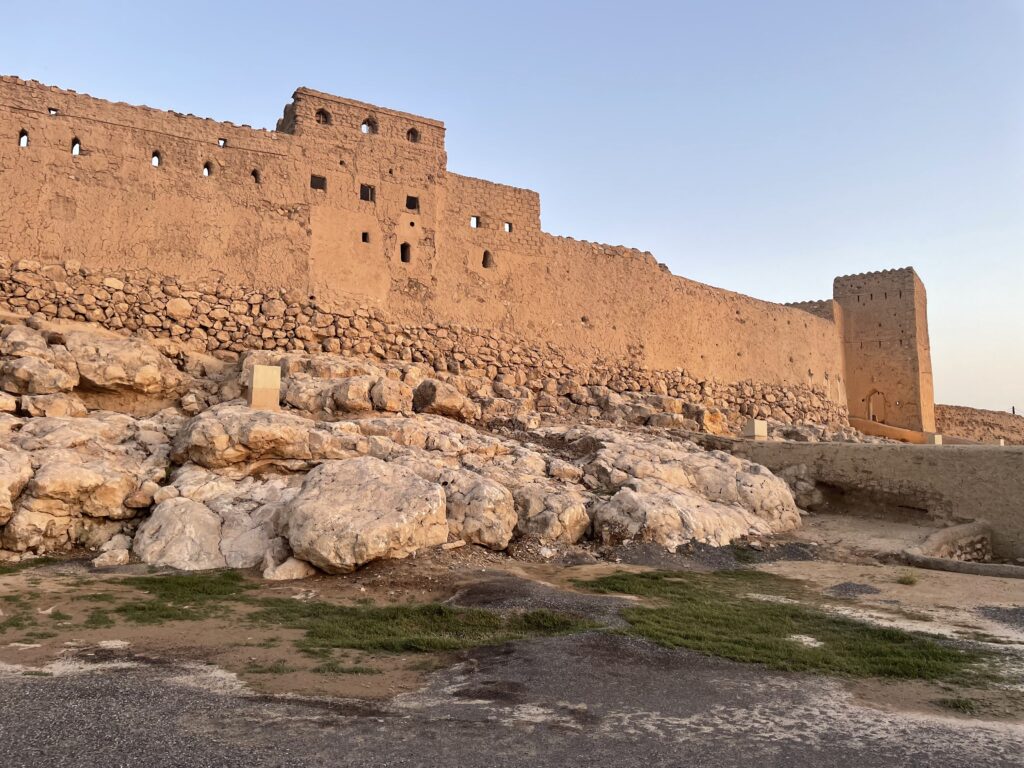
As part of the multidisciplinary team behind the Structure Plan, Systematica played a central role in overseeing the mobility and transport strategies for Ibri’s future development.
Aligned with national and regional policies, the approach focused on:
- Enhancing accessibility across the city
- Reducing congestion and road accidents
- Promoting sustainable mobility solutions
Overall, Systematica’s contribution combined technical depth with strategic vision.
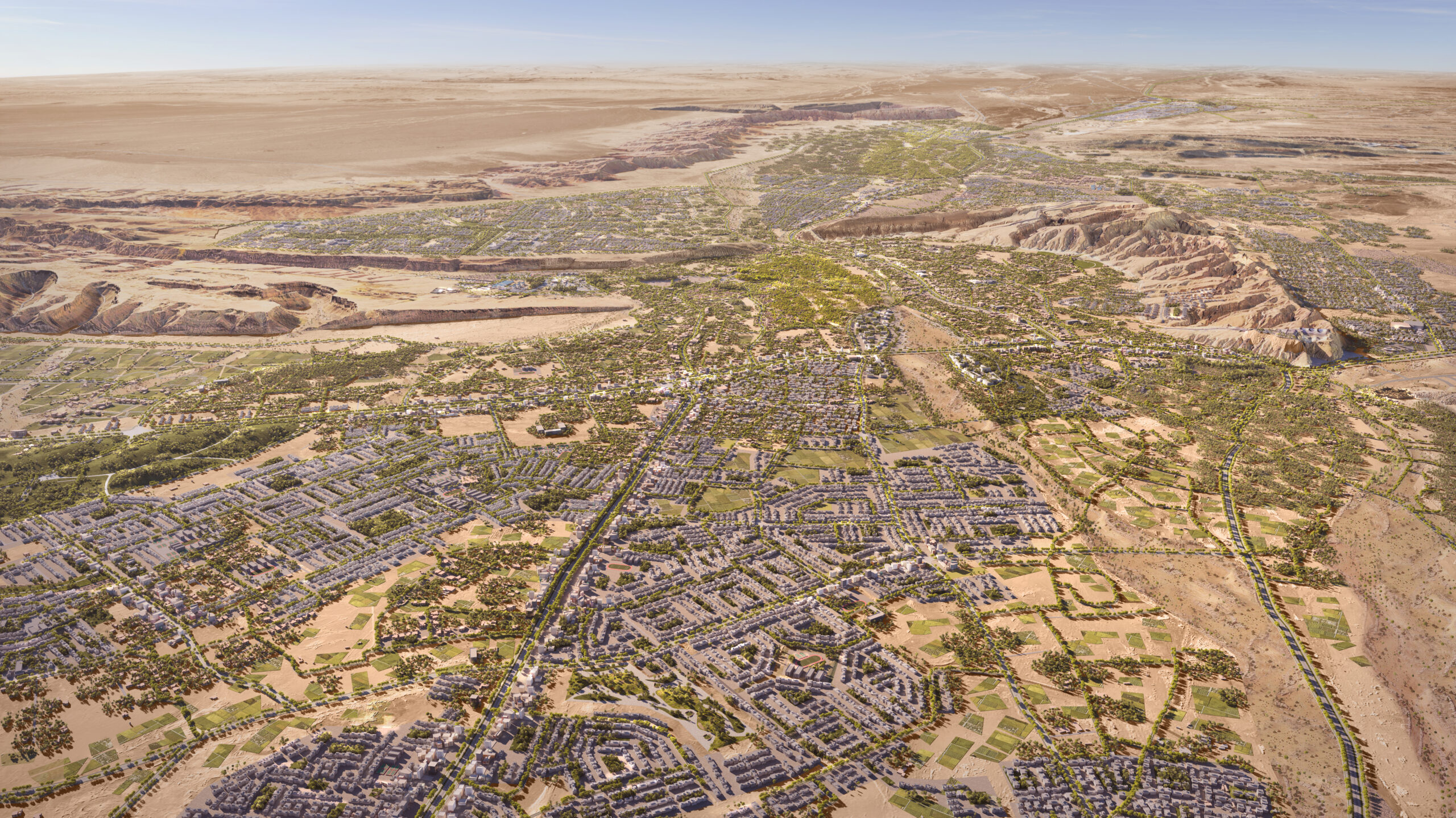
The Structure Plan was developed through three stages, each involving extensive engagement with stakeholders, ranging from community representatives to national ministries, through meetings and workshops.
Key activities included:
- Assembling a comprehensive spatial and socio-economic database
- Defining a set of future development scenarios for Ibri
- Developing transport policies based on traffic modelling outputs and GIS-based spatial analyses
- Defining mobility- and transport- related policies for Ibri addressing the road network system, parking, public transport, freight, active modes, road safety and transport management technologies
- Benchmarking against comparable cities and planning practices
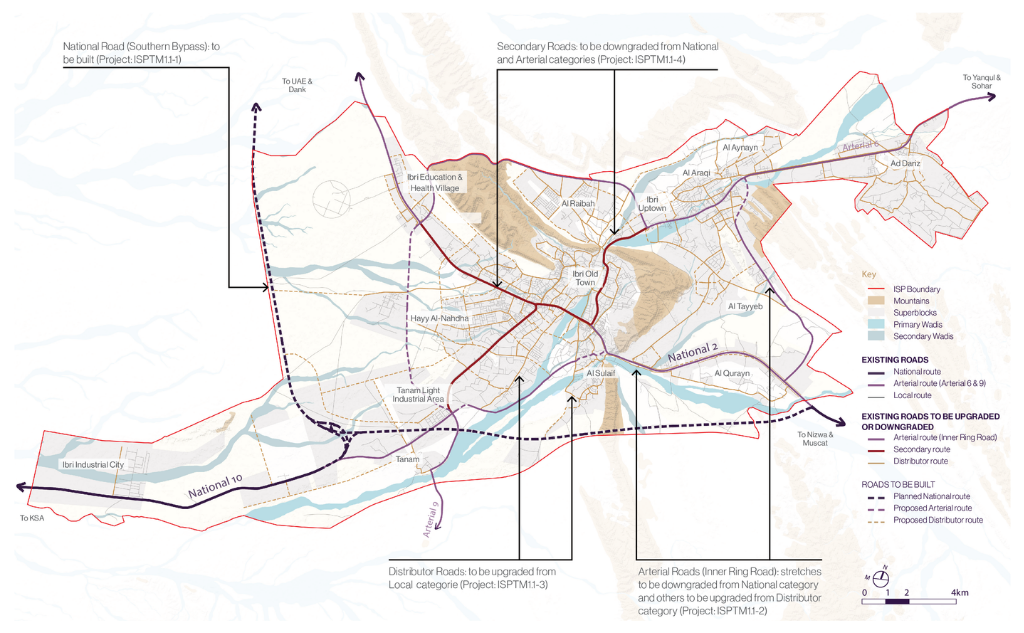
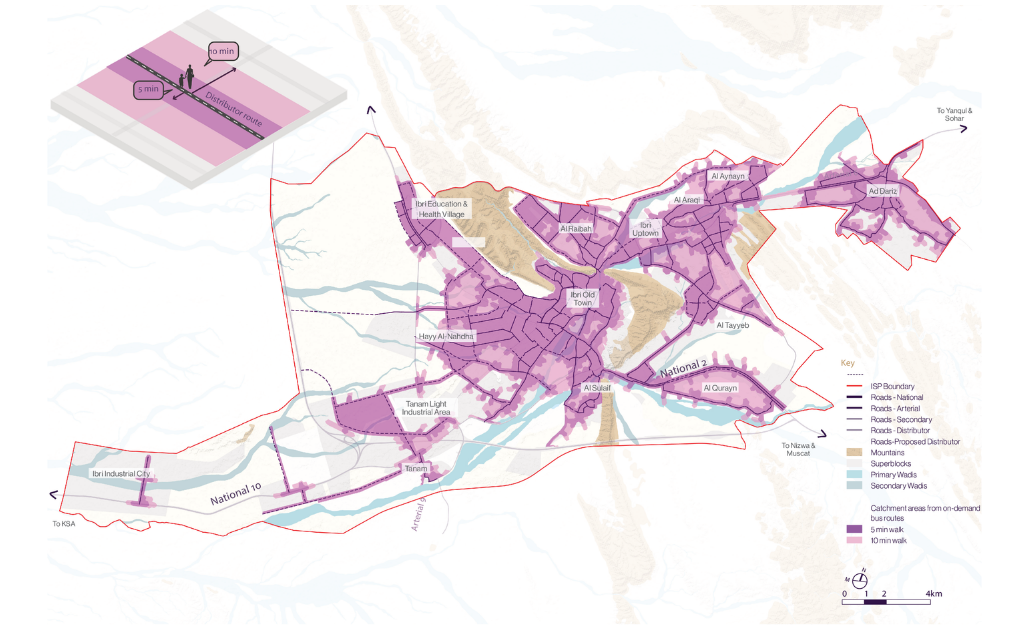
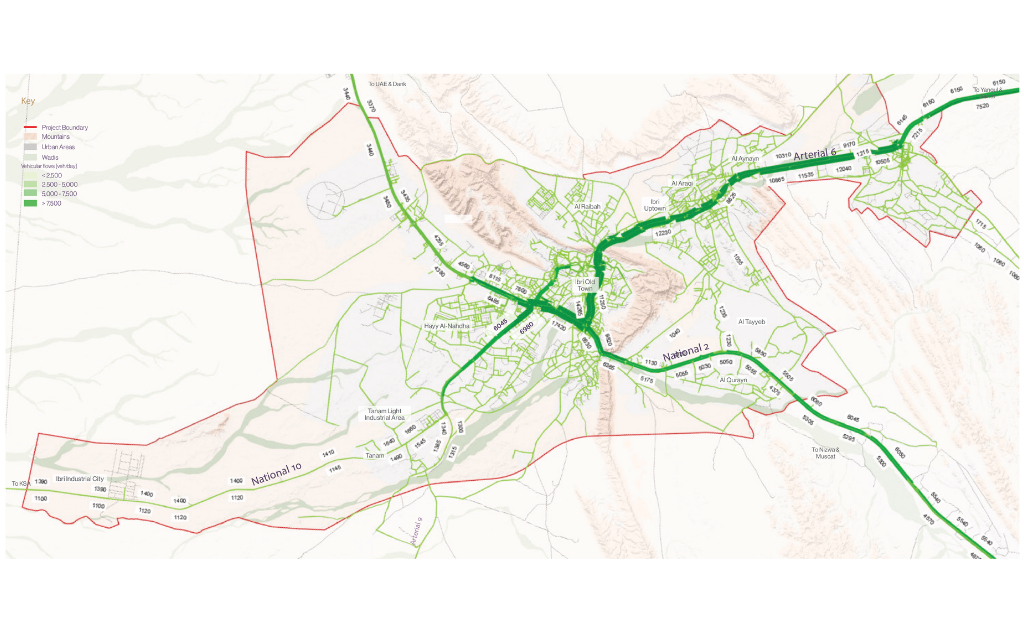
The mobility strategy sets out ambitious, measurable objectives to transform how people move across Ibri, shifting from a car-dependent model to a more sustainable and accessible system.
Main targets include:
These goals are a demonstration of Ibri’s clear roadmap for urban mobility transformation.