Improving sustainability, safety, and efficiency across Venice’s urban and regional transport systems
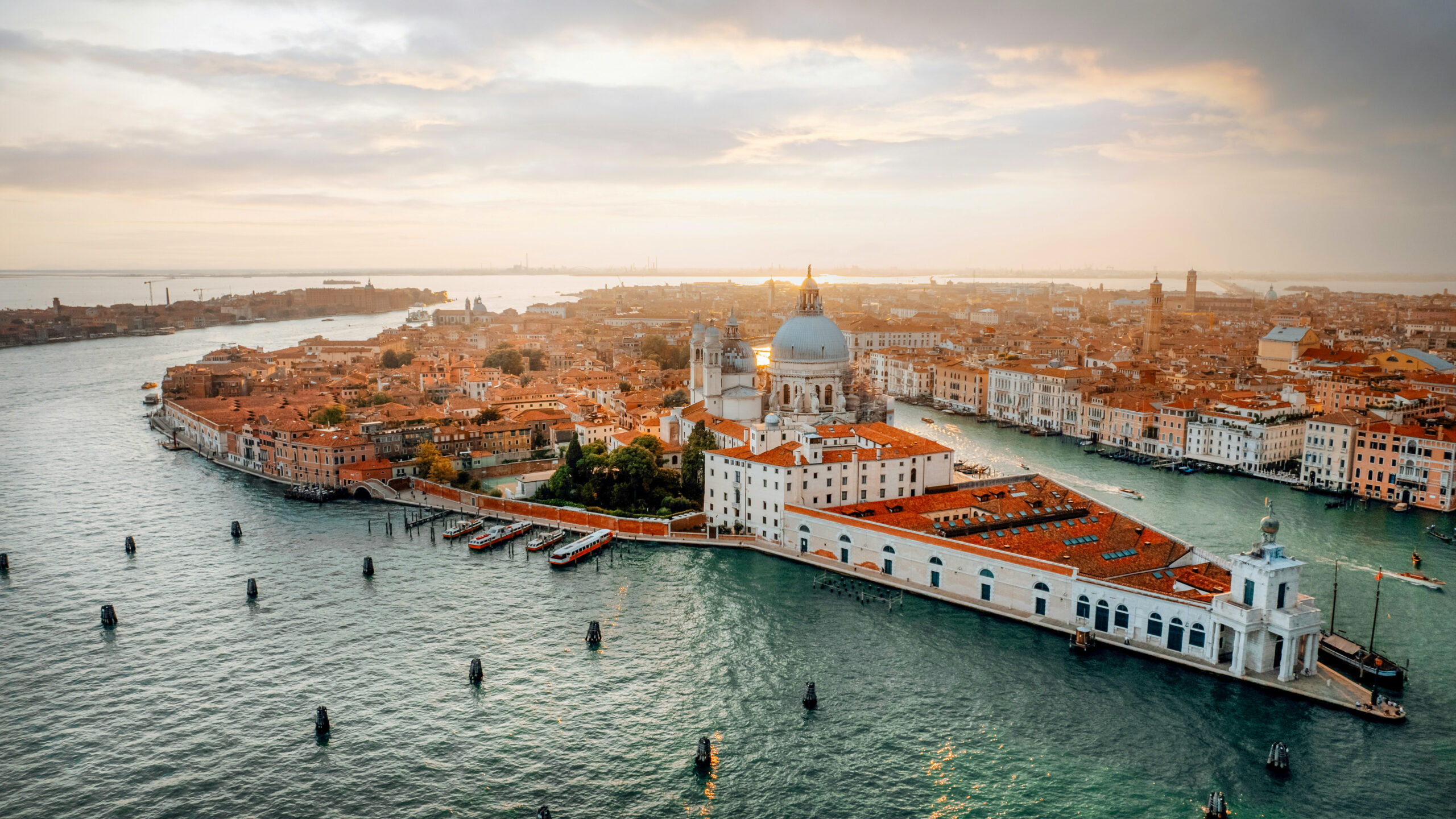
The Metropolitan City of Venice represents one of the most complex mobility ecosystems in Europe.
Beyond its globally recognized historic center, the territory encompasses an extensive metropolitan and regional system composed of high-speed rail infrastructure, strategic motorway corridors, an international airport, major port and logistics facilities, coastal tourism destinations, and highly seasonal mobility dynamics.
Welcoming more than 10 million visitors annually, Venice faces the challenge of balancing international tourism flows, commuter demand, freight movements, environmental protection, and the everyday accessibility needs of local communities across an exceptionally fragile and interconnected territory.
Within this context, mobility planning cannot rely on isolated infrastructure interventions. It requires an integrated, multi-scale approach capable of coordinating urban, metropolitan, and regional systems while responding to the distinct characteristics of dense urban centers, lagoon environments, suburban municipalities, and coastal territories.
The complexity of the area is further amplified by the coexistence of different transport modes—road, rail, public transport, cycling, pedestrian, logistics, and water-based mobility—all interacting within a highly constrained territorial and environmental framework.
Following the contribution to the 2020-2030 Sustainable Urban Mobility Plan (PUMS) for the Municipality of Venice, Systematica was appointed to support the development of the PUMS for the Metropolitan City of Venice as part of an expanded consortium led by TPS Pro.
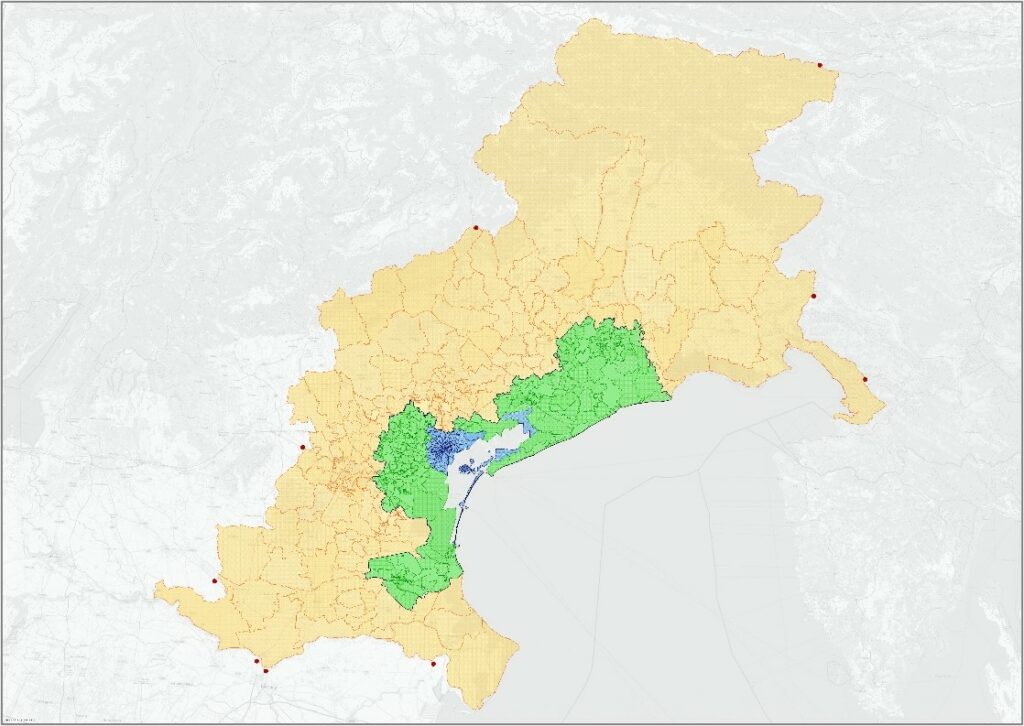
The project extended far beyond the boundaries of the City of Venice itself, covering the wider metropolitan territory and its relationships with neighboring regions and strategic mobility corridors.
Within the consortium, Systematica contributed strategic transport planning, mobility modelling, and scenario evaluation expertise, supporting the definition of an integrated long-term mobility vision for the metropolitan area.
A key aspect of the project was the coordination of mobility strategies across multiple territorial scales and governance levels, integrating the needs of metropolitan authorities, municipalities, transport operators, infrastructure managers, and regional stakeholders into a coherent planning framework.
Particular attention was dedicated to the interaction between local and regional mobility patterns, tourism-related demand, multimodal accessibility, and the operational performance of the transport network under future development scenarios.
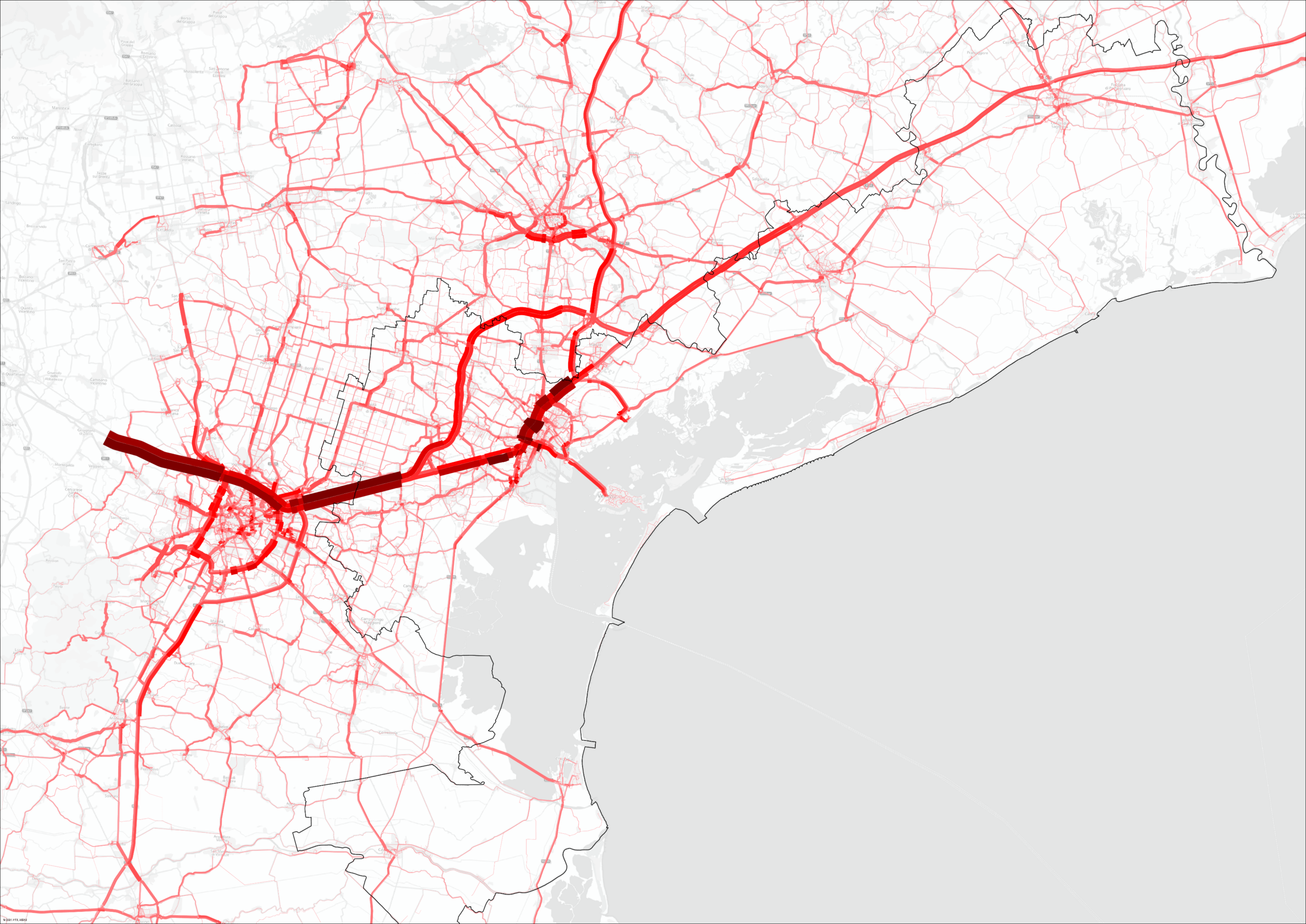
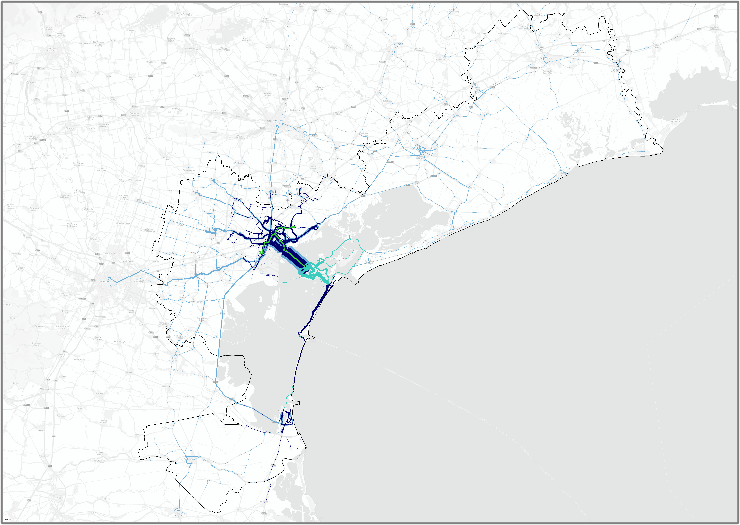
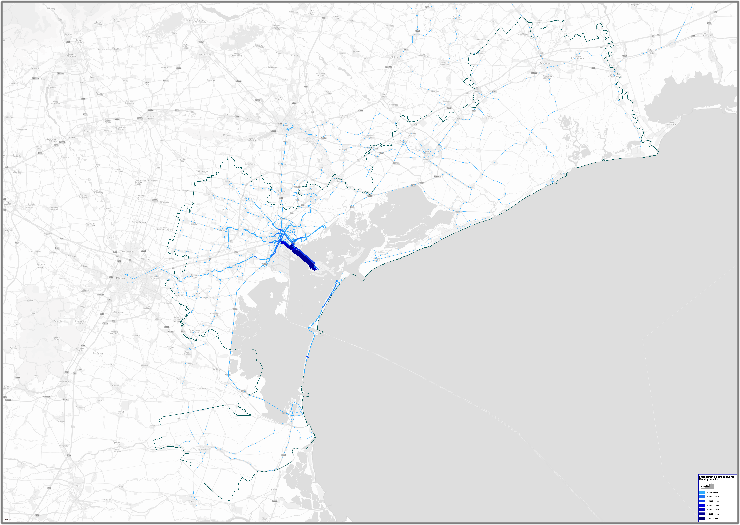
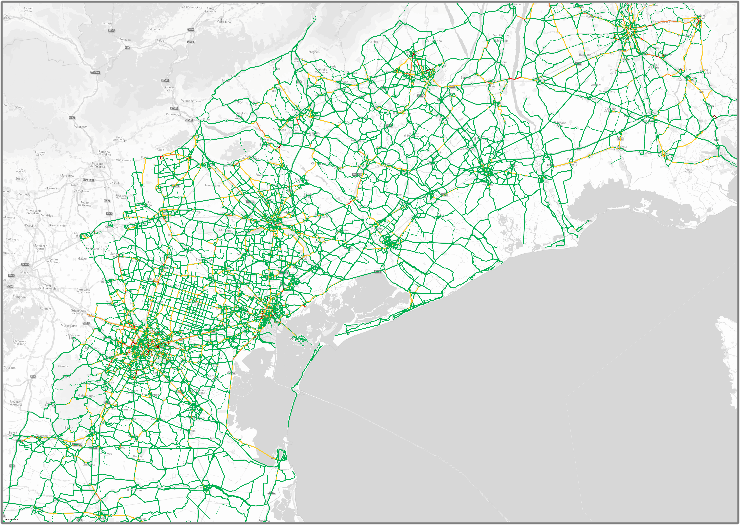
To support the evaluation of future mobility strategies, Systematica developed a multimodal transport simulation model capable of reconstructing the interaction between transport demand and network supply across the metropolitan area.
The modelling framework integrated multiple datasets, including mobile phone Origin-Destination data, Floating Car Data (FCD), ISTAT commuting statistics, traffic surveys, and public transport passenger data.
Developed in PTV VISUM, the model simulated private vehicles, public transport, park-and-ride systems, and pedestrian mobility, enabling the assessment and comparison of alternative future scenarios through evidence-based analysis.
Alongside the technical activities, the project involved an extensive stakeholder engagement process with municipalities, transport operators, infrastructure managers, regional authorities, and key mobility stakeholders, supporting the definition of a shared long-term mobility vision for the metropolitan area.
The Metropolitan City of Venice PUMS was structured around 17 strategic objectives focused on mobility efficiency, environmental sustainability, road safety, and socio-economic accessibility.
Thanks to Systematica’s contribution, the Metropolitan City of Venice was able to successfully develop and adopt a sustainable urban mobility plan aligned with its long-term vision and the aforementioned strategic objectives.