Understanding travel behavior and mobility patterns to improve urban mobility in Torrance
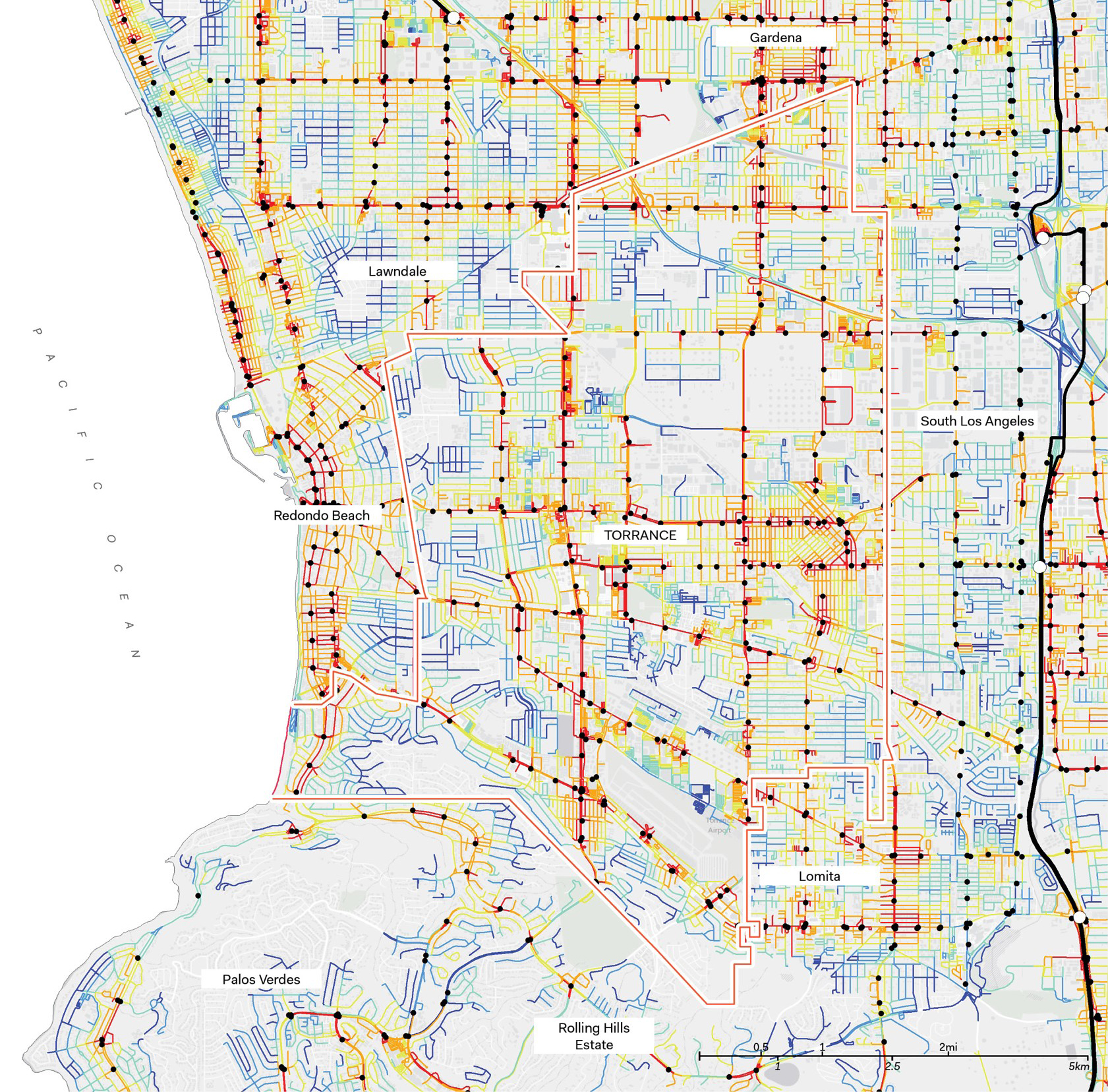
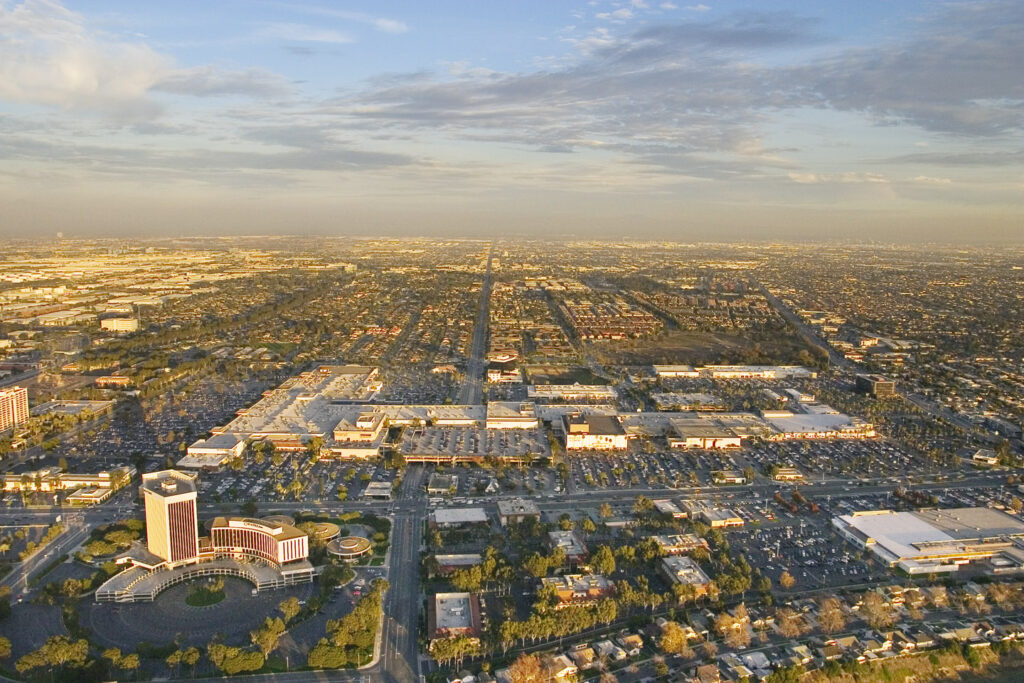
Torrance, located within the Los Angeles metropolitan area, represents a typical low-density American urban environment shaped by extensive car dependency, fragmented urban form, and dispersed mobility patterns.
Rather than focusing on a major global city, the project explored how advanced mobility analytics could be applied to a representative mid-sized city in order to generate scalable insights relevant to many suburban and low-density urban contexts across the United States.
The challenge was to understand how mobility demand, land use distribution, socio-demographic conditions, and transport infrastructure interact within a predominantly car-oriented environment, while identifying opportunities to support more efficient, flexible, and sustainable mobility systems.
The study also addressed emerging mobility trends and technologies, investigating how innovation, shared mobility, smart infrastructure, and data-driven planning could contribute to reshaping mobility patterns in suburban environments traditionally dominated by private vehicles.
Systematica conducted a comprehensive urban mobility analysis of Torrance and its wider area of influence, developing an analytical framework capable of translating complex mobility data into strategic planning insights.
The study’s goal was gaining in-depth understanding of travel behaviour, accessibility conditions, and modal interactions across the city. Particular attention was dedicated to identifying replicable methodologies and scalable analytical tools that could support mobility planning and future mobility strategies in comparable suburban and low-density urban environments throughout the United States.
In parallel, the project investigated emerging mobility technologies and innovative transport solutions, assessing their potential applicability within the Torrance context and similar urban conditions.
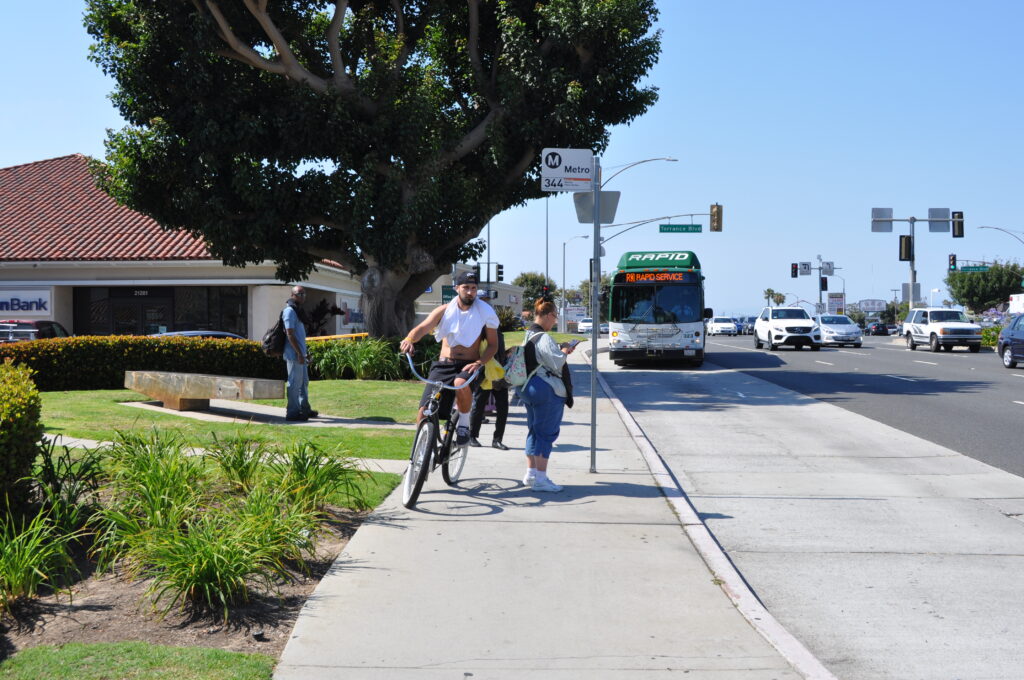
Systematica adopted a data-driven approach combining open data sources, Big Data analytics, spatial analysis, and mobility diagnostics to investigate mobility conditions across the study area.
The work included extensive analysis of:
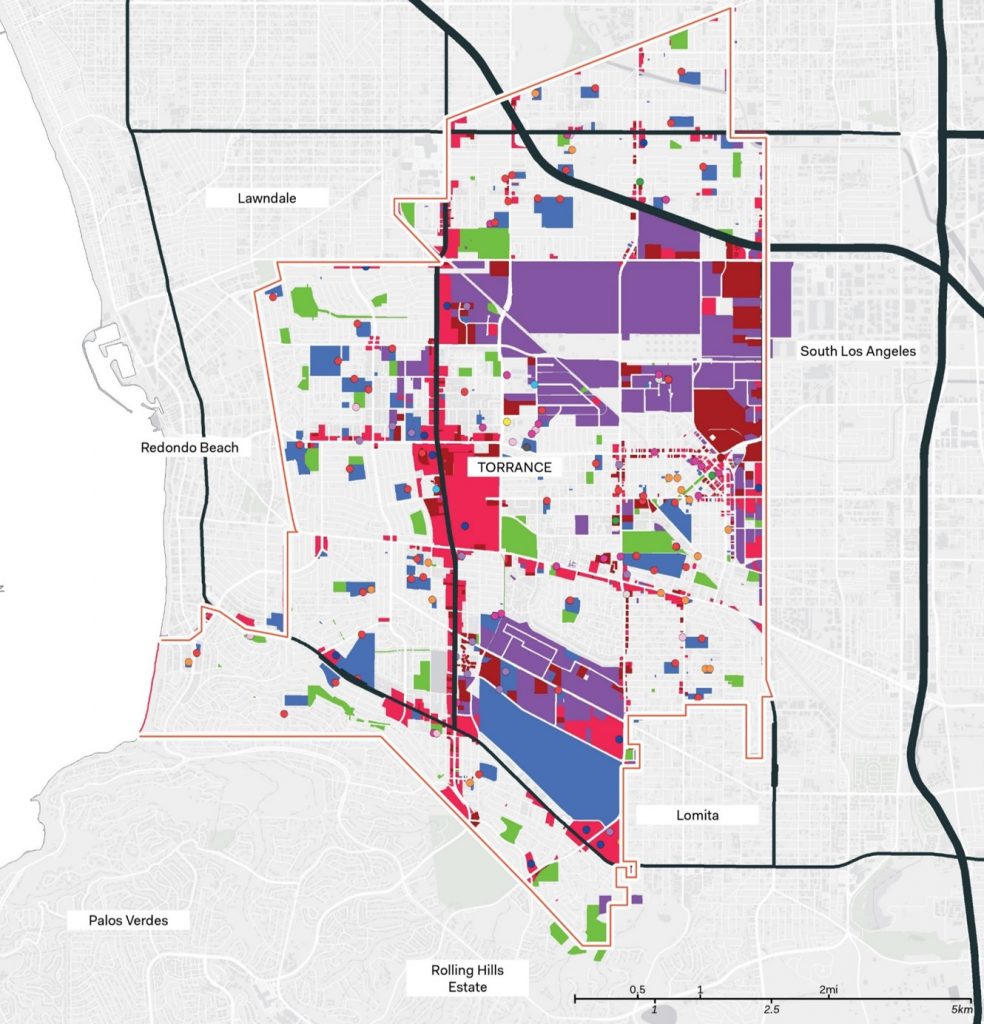
- Land use patterns
- Socio-demographic characteristics
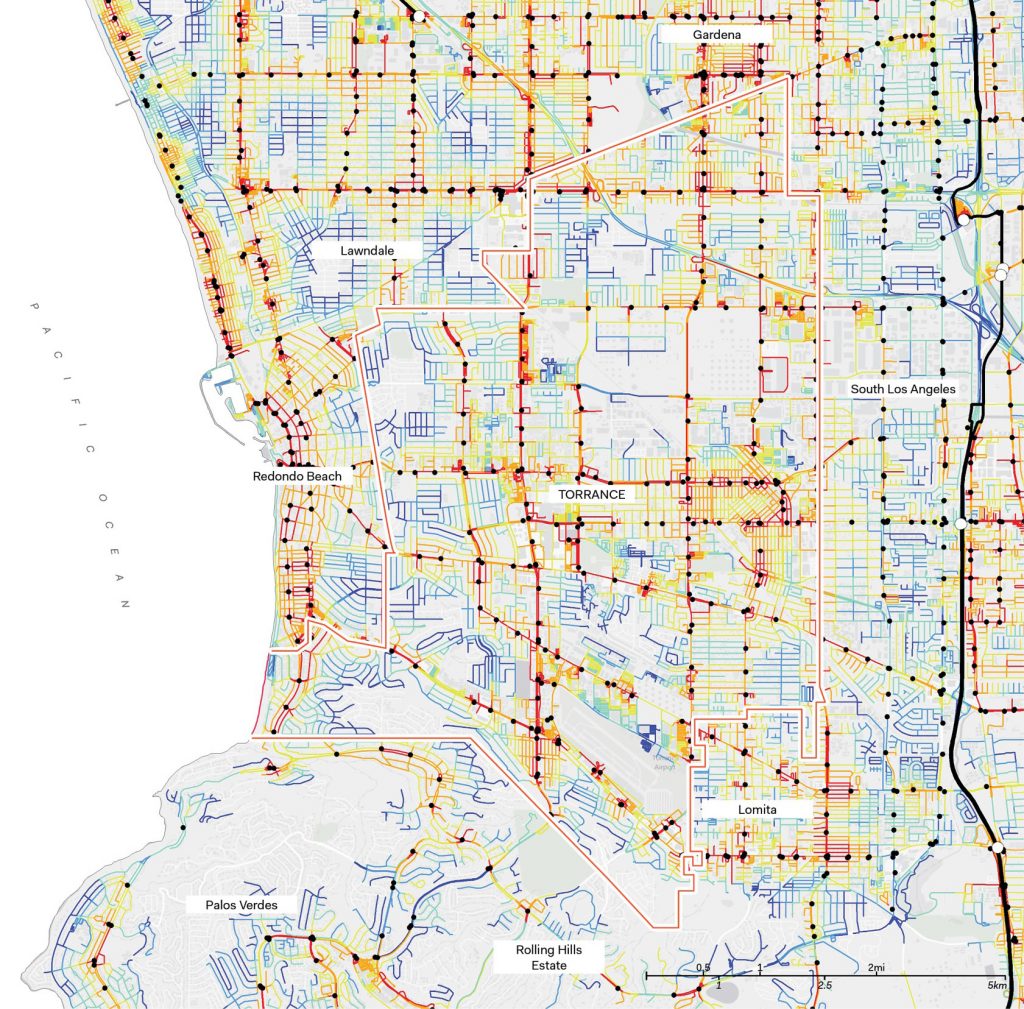
- Transport infrastructure
- Accessibility conditions
- Mobility demand dynamics
Particular attention was dedicated to the relationship between urban form and travel behaviour, including the impact of low-density development, fragmented public realm conditions, and car-oriented infrastructure.
The study leveraged advanced mobility datasets, including mobility analytics, GPS and smartphone-based location data, enabling the reconstruction of internal and external movement patterns, trip purposes, temporal demand profiles, and Origin-Destination relationships across the city.
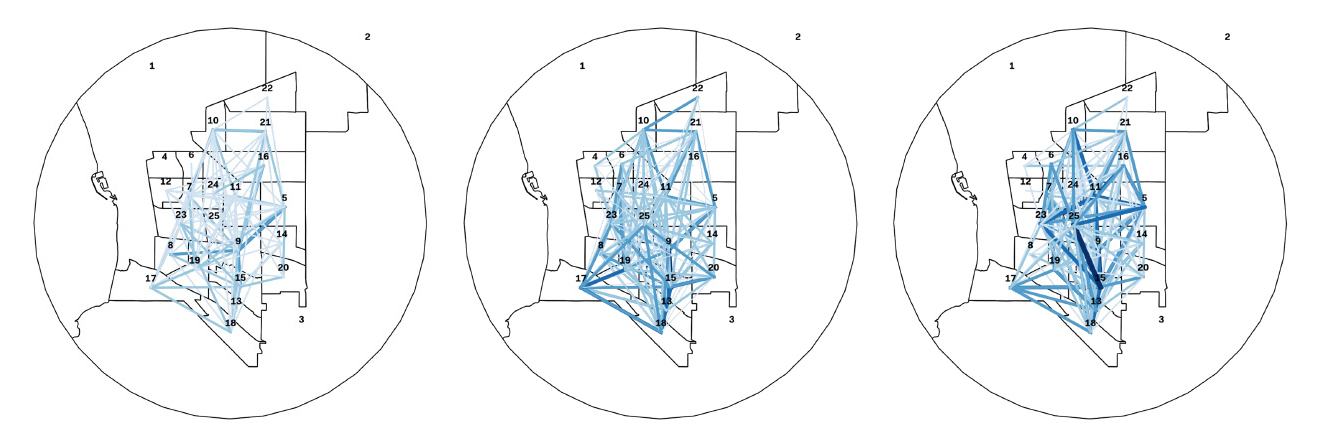
This analytical framework led to the development of an advanced “mobility dissection tool” capable of identifying mobility bottlenecks, accessibility gaps, latent mobility demands, and opportunities for targeted interventions and innovation strategies.
The study produced a portfolio of pilot projects and strategic interventions, aimed at improving mobility performance across different implementation horizons.
Proposed strategies addressed four primary areas:
- Mobility services
- Infrastructure improvements
- Mobility devices and technologies
- Information and data systems
The project defined scalable mobility strategies focused on shared mobility, pedestrian and cycling improvements, flexible transport services, smart mobility systems, and innovation-driven mobility solutions tailored to suburban and low-density urban contexts. Through this work, Systematica delivered actionable insights and replicable strategies, demonstrating how data analytics and advanced mobility diagnostics can unlock innovative solutions for low-density urban environments.