Developing a pioneering sustainable mobility transition strategy in the Dolomites
The Autonomous Province of Bolzano is pursuing an ambitious mobility transition strategy aimed at increasing the use of public transport and active mobility while reducing dependency on private vehicles across the Dolomites region.
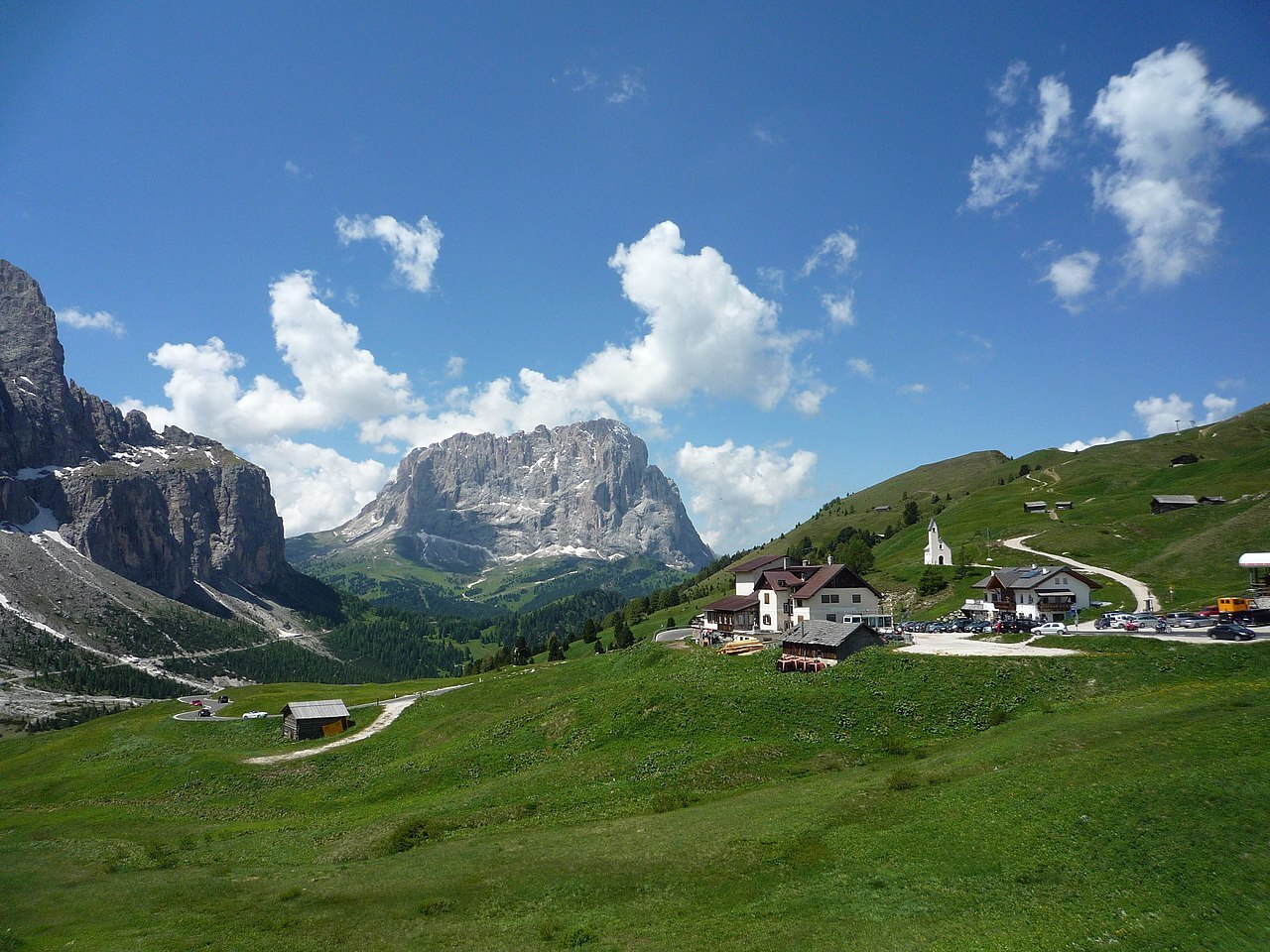
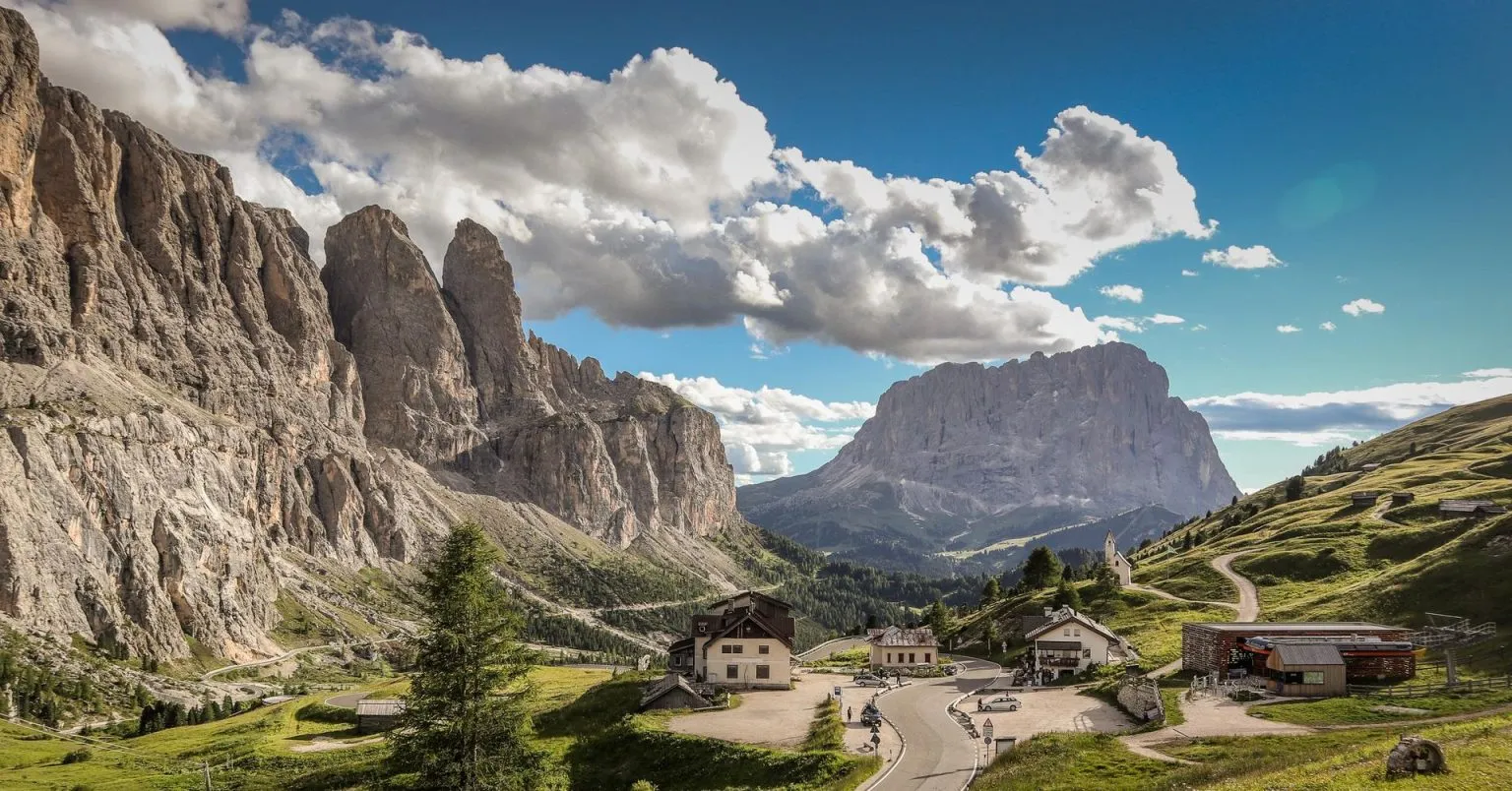
A key focus area is the Quattro Passi around the Gruppo del Sella, one of the most iconic mountain landscapes in north-eastern Italy. In fact, in 2009 the Dolomites were declared a UNESCO World Heritage Site.
Mobility management within the Dolomites presents significant operational and environmental challenges. Narrow mountain roads, winding passes, and sensitive natural landscapes must accommodate substantial visitor flows while preserving accessibility and quality of life for residents and tourists alike.
Systematica was appointed to develop and assess three alternative Low Emission Zone (LEZ) scenarios for the Gruppo Sella area, supporting the Province’s mobility targets and sustainability objectives for 2030.
In addition, Systematica provided strategic support for the review of the existing regulatory framework, contributing to the development of what would represent a pioneering solution in Italy and a useful reference for future environmental LEZ models.
The study involved an extensive benchmarking analysis of comparable LEZ systems implemented internationally, with particular attention to parameters like seasonality, type of monitoring, rates and transport alternatives.
Based on the findings, Systematica developed three reference macro-scenarios tailored to the specific characteristics of the Gruppo Sella area.
Each scenario included:
- Different levels of access restrictions
- Seasonal activation strategies
- Mobility management measures
- Public transport integration approaches
- Supporting regulatory and governance frameworks
The scenarios were designed to evaluate operational feasibility, environmental effectiveness, and user accessibility under different implementation models.

The study established a strategic and regulatory framework to support the future implementation of a Low Emission Zone within one of Europe’s most environmentally sensitive and internationally recognized mountain regions.
In particular, Systematica’s work contributed to:
- Reduction of private vehicle impacts within the Dolomites
- Promotion of sustainable and multimodal mobility solutions
- Enhanced accessibility through alternative transport systems
By combining international benchmarking, regulatory analysis, and scenario-based planning, the project provides a foundation for a pioneering sustainable mobility strategy in the Italian alpine context.