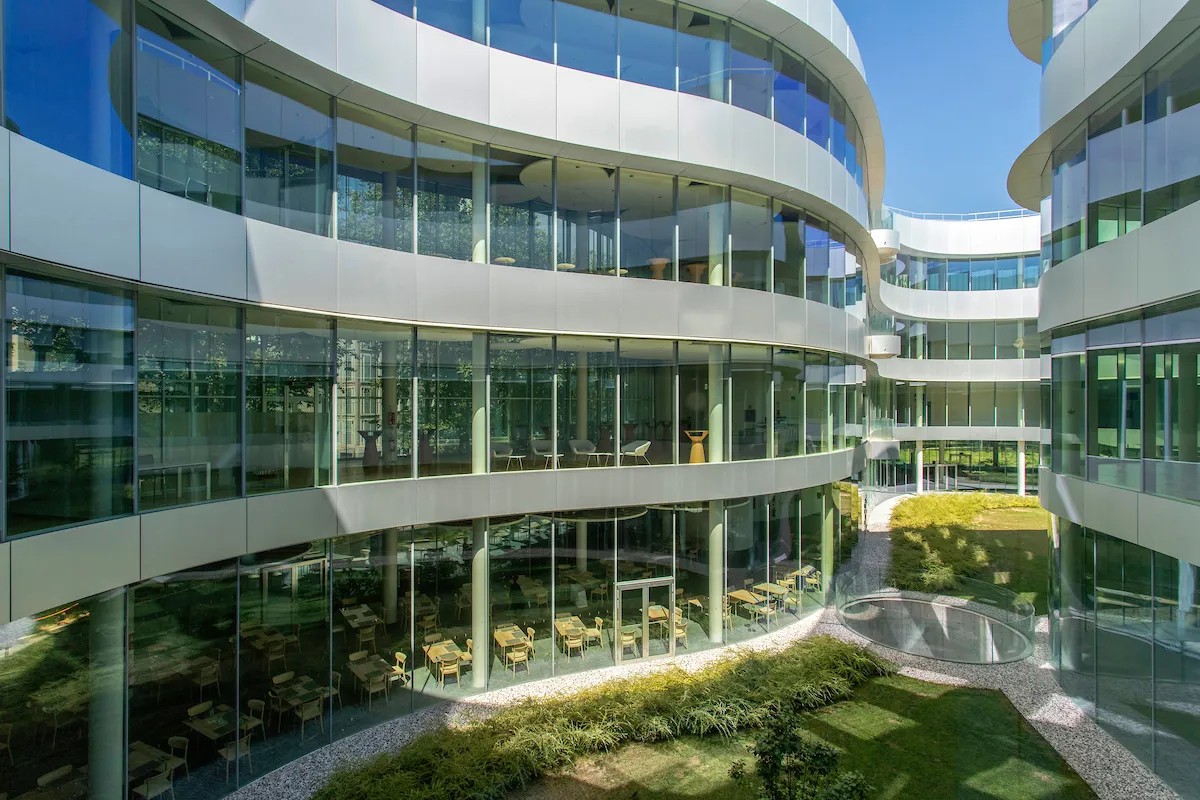
Analyzing pedestrian flows at Bocconi University to develop intuitive wayfinding strategies
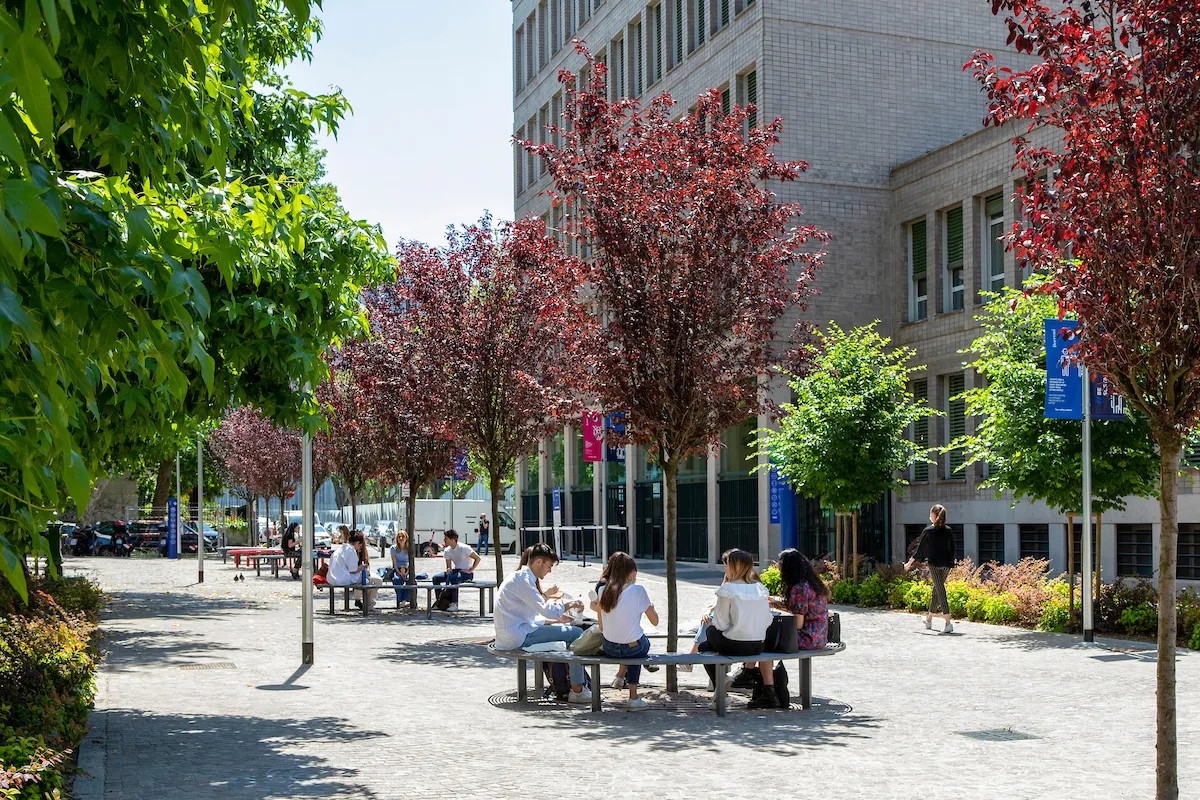
Located in the heart of Milan, Bocconi University is one of Europe’s leading academic institutions and Italy’s first university dedicated to economics and management studies. Since its foundation in 1902, the university has progressively expanded into a complex urban campus that today includes academic buildings, student residences, research centers, and the SDA Bocconi School of Management.
Bocconi Unversity operates within a dense and highly dynamic urban environment characterized by significant daily pedestrian activity. The increasing complexity of campus circulation patterns and the coexistence of academic, residential, and public functions thus required a comprehensive understanding of pedestrian movement and spatial behaviour.
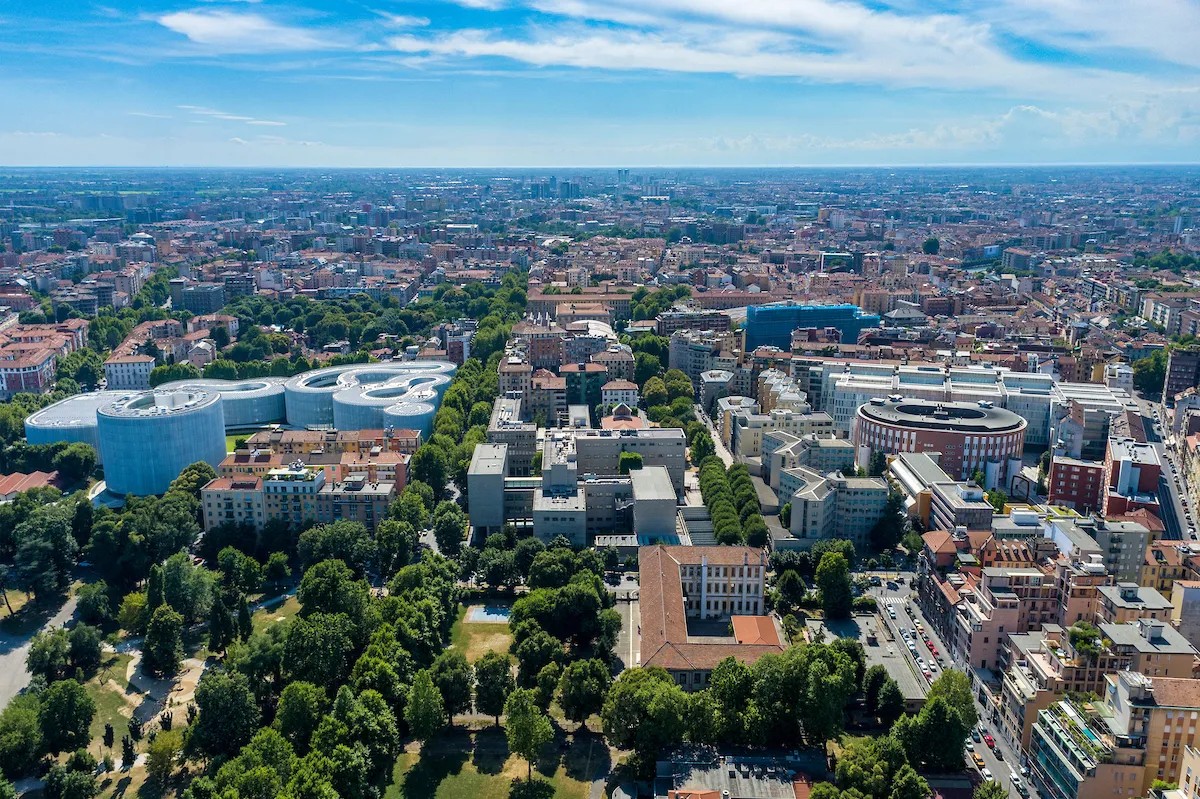
Systematica was appointed to carry out a detailed pedestrian flow analysis and wayfinding strategy for the university campus.
Our work focused on evaluating movement patterns, spatial hierarchy, and user behaviour to support the reconfiguration of pedestrian circulation systems and the development of a clear, intuitive, and effective wayfinding framework.
The study considered both standard operational conditions and high-demand scenarios, including graduation ceremonies and major campus events.
Systematica developed two complementary studies to assess circulation dynamics and spatial performance across the campus.
The first study focused on pedestrian flow analysis, including:
- Movement patterns of students and university staff
- Analysis of main access routes and origin-destination patterns
- Connections between campus buildings, student residences, and public transport nodes
- Identification of high-density and high-frequency movement corridors
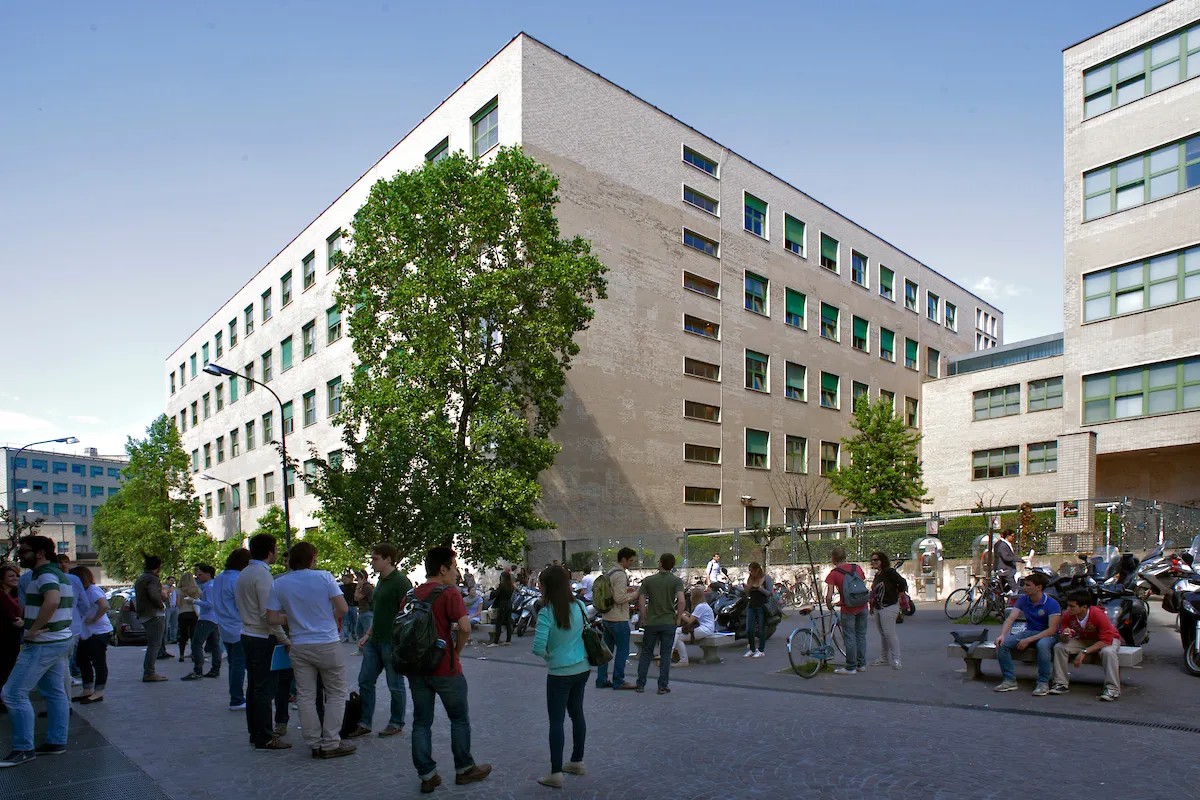
The second study involved an advanced spatial analysis using a dedicated software “Space Syntax” to evaluate:
- Visibility and spatial legibility
- Accessibility and integration levels
- Hierarchy of campus spaces
This combined analytical approach enabled a comprehensive understanding of how people interact with the campus environment on a daily basis.
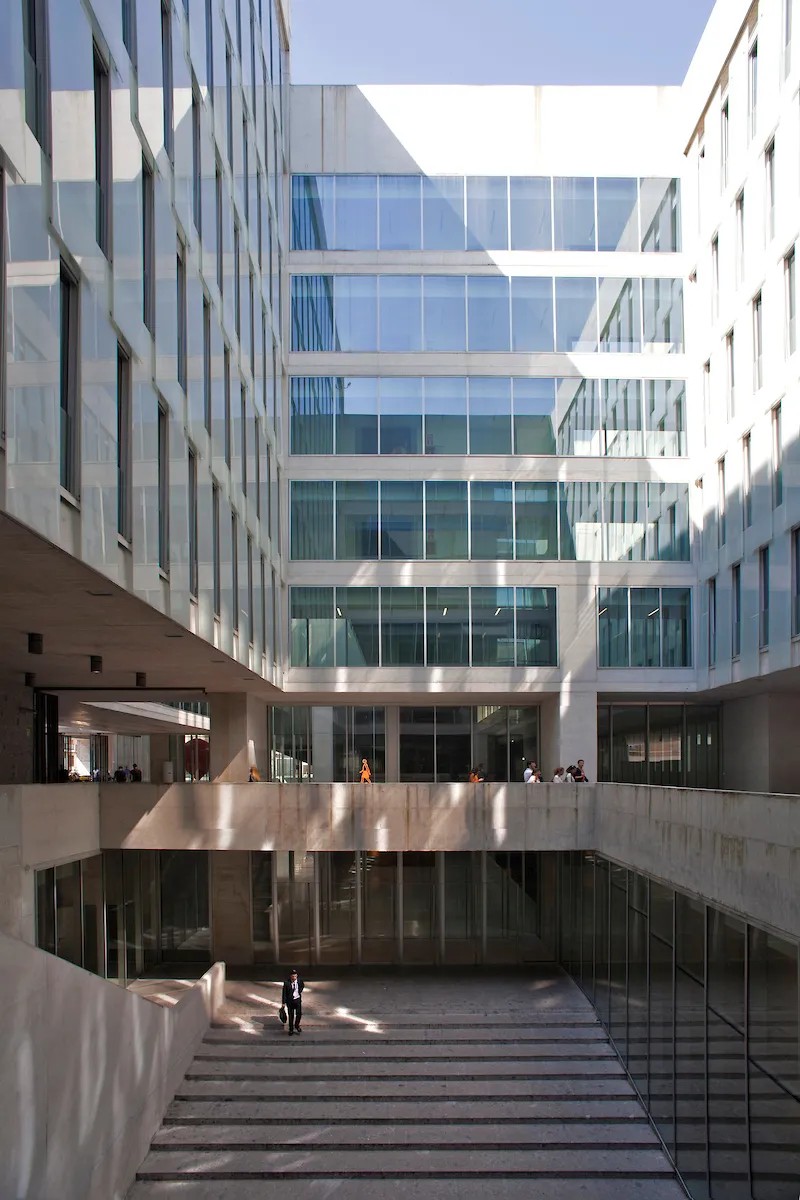
The project was also supported by a video analytics study aimed at gaining a deeper understanding of the ways people use and move through the university campus.
By collecting and analyzing anonymized video data, the study assessed average pedestrian volumes and identified key patterns of space utilization. It thus highlighted both the most occupied areas and the most frequently used movement corridors.
The resulting insights provided a robust basis for crowd management during regular academic activities and special events. It also informed the reorganization of outdoor spaces to enhance accessibility, functionality, and overall user experience.
The study identified the most effective locations and strategies for directional signage and wayfinding interventions, supporting the development of a more intuitive and accessible campus environment.
By combining pedestrian analytics and spatial intelligence, the project supports the continued evolution of Bocconi University as a highly accessible and people-oriented urban campus.