Advancing the transition toward a sustainable and integrated port network in the Adriatic-Ionian region
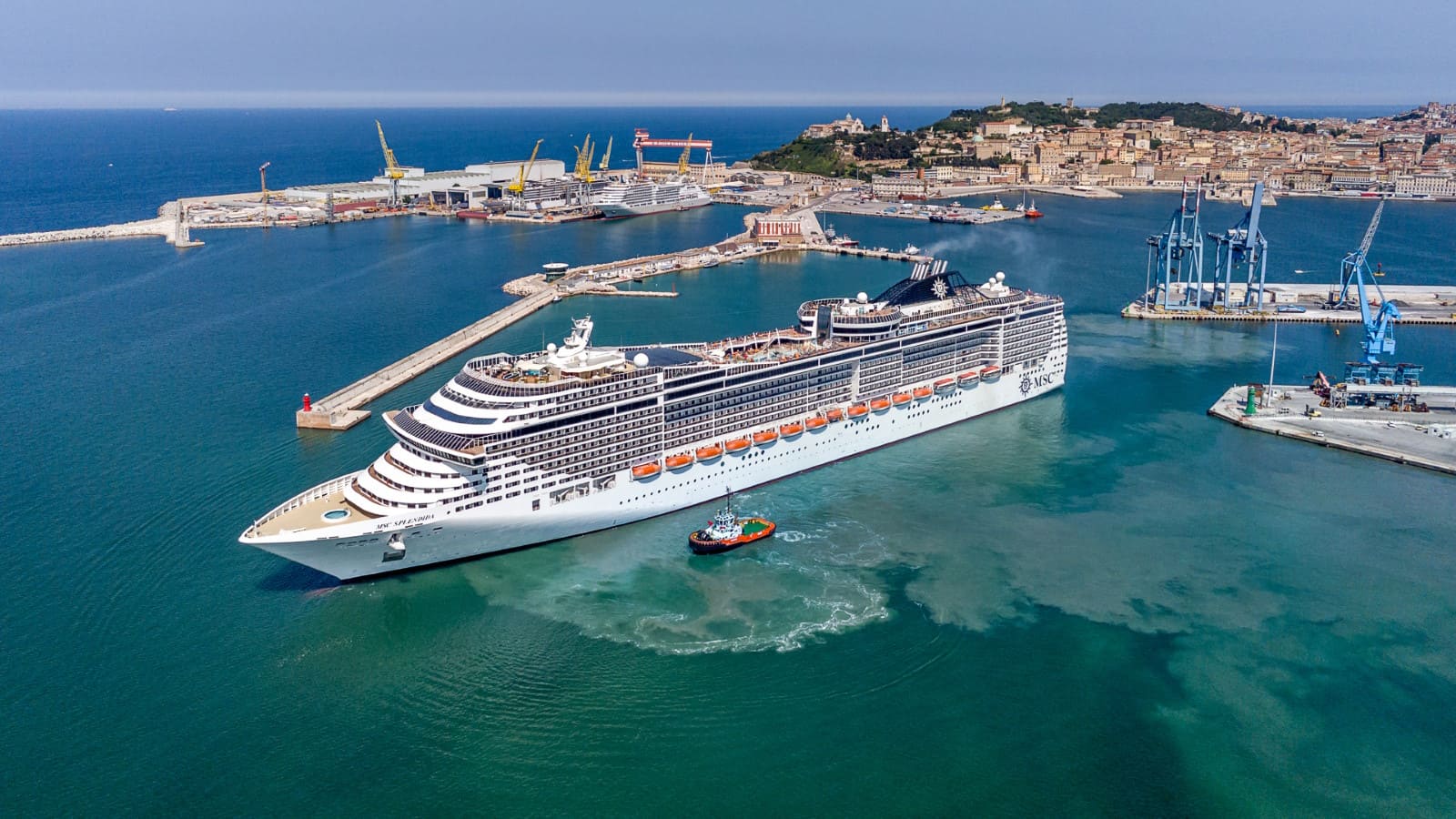
The Adriatic-Ionian Green and Smart Port Hub Concept is an international initiative aimed at strengthening the integration and interoperability of port systems across the Adriatic-Ionian macro-region, from Greece to Italy connecting key gateways from Greece to Italy within the Trans-European Transport Network (TEN-T).
Developed within the framework of the EUSAIR Strategy and aligned with the objectives of the European Green Deal and the Sustainable and Smart Mobility Strategy, the initiative supports the transition of ports toward more sustainable, resilient, and digitally enabled infrastructure.
The challenge of the project was identifying and benchmarking innovative solutions, operational strategies, and policy directions capable of accelerating the ecological, energy, and digital transition of the Adriatic-Ionian port system. Particular attention was dedicated to topics such as alternative fuels, port electrification, smart logistics, energy efficiency, digitalization, and the integration of sustainable maritime and hinterland transport systems.
The initiative also aimed to establish a shared strategic framework to support cooperation among ports, institutions, and stakeholders across the macro-region, enhancing connectivity, operational performance, environmental sustainability, and long-term resilience.
Systematica supported the initiative by assisting the Managing Authorities of European programmes in strengthening the implementation of the Green and Smart Ports flagship strategy.
Our role focused on the:
- Analysis of ongoing and planned green and smart port initiatives
- Evaluation of emerging technological and operational trends
- Definition of strategic roadmaps and implementation directions
- Development of a comprehensive strategic and technical knowledge base to support the ecological, energy, and digital transition of ports across the Adriatic-Ionian macro-region
Through policy analysis, benchmarking activities, and the assessment of international best practices, Systematica contributed to identifying innovative and scalable solutions capable of improving sustainability, operational efficiency, resilience, and regional connectivity.
The work included the alignment with European decarbonization and smart mobility objectives.
Systematica also supported stakeholder engagement and dissemination activities, contributing to the development of a shared vision for the future evolution of ports as integrated multimodal, energy, and digital hubs within the TEN-T network.
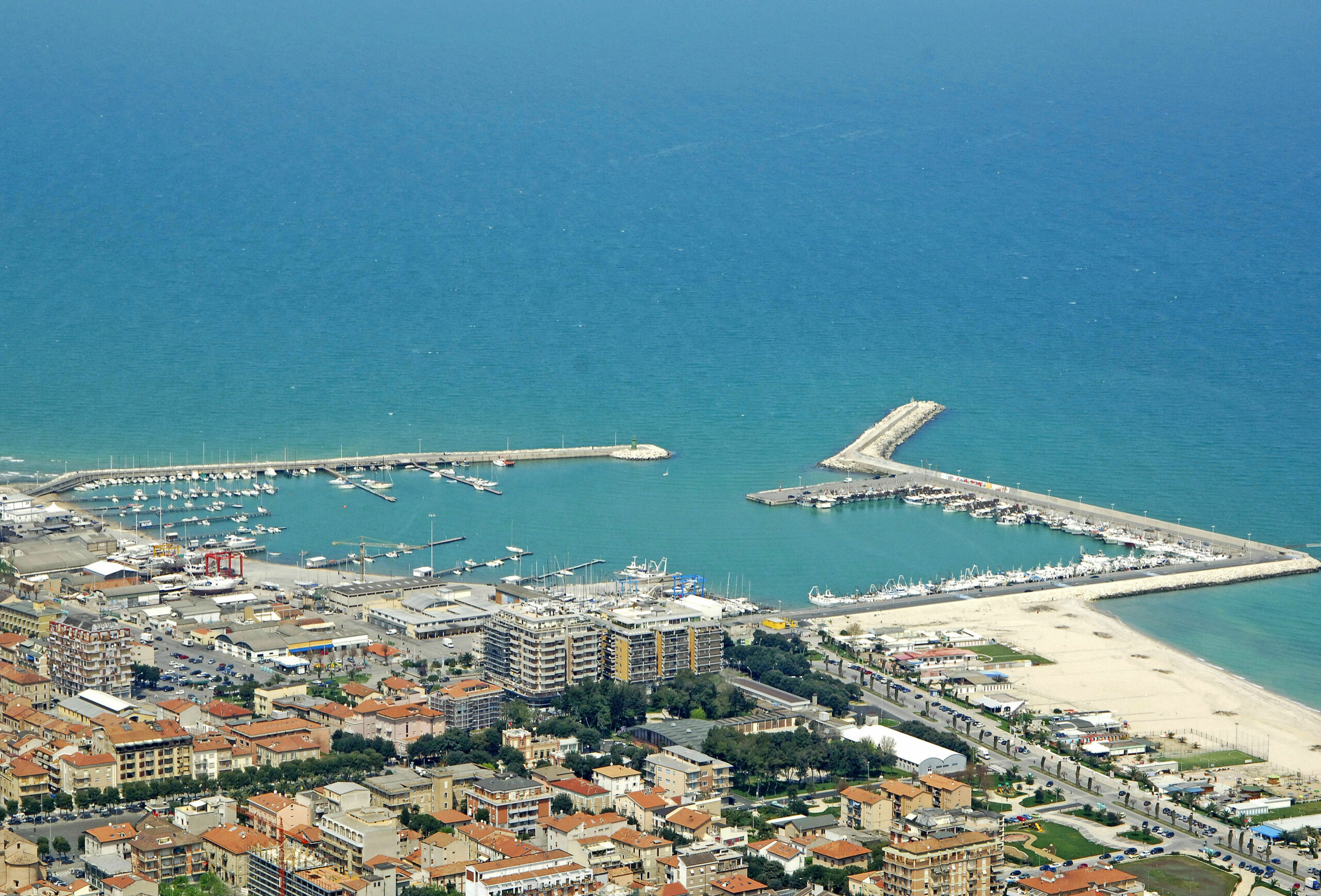
The study combined strategic policy analysis, technical benchmarking, and regional mapping activities to support the development and implementation of the Green and Smart Ports flagship initiative across the Adriatic-Ionian macro-region.
The work included the review of European and regional regulatory frameworks, policy agendas, governance models, and funding mechanisms related to sustainable mobility, maritime decarbonisation, energy transition, and port digitalisation. Particular attention was dedicated to the evolving European policy landscape, including the Green Deal, the Sustainable and Smart Mobility Strategy, and the Fit for 55 package.
An extensive benchmarking exercise was conducted to analyze international best practices and innovative case studies in green and smart port development, focusing on themes such as:
- Alternative fuels
- Shore power systems
- Energy efficiency
- Smart logistics
- Automation
- Digital platforms
- Low-emission port operations
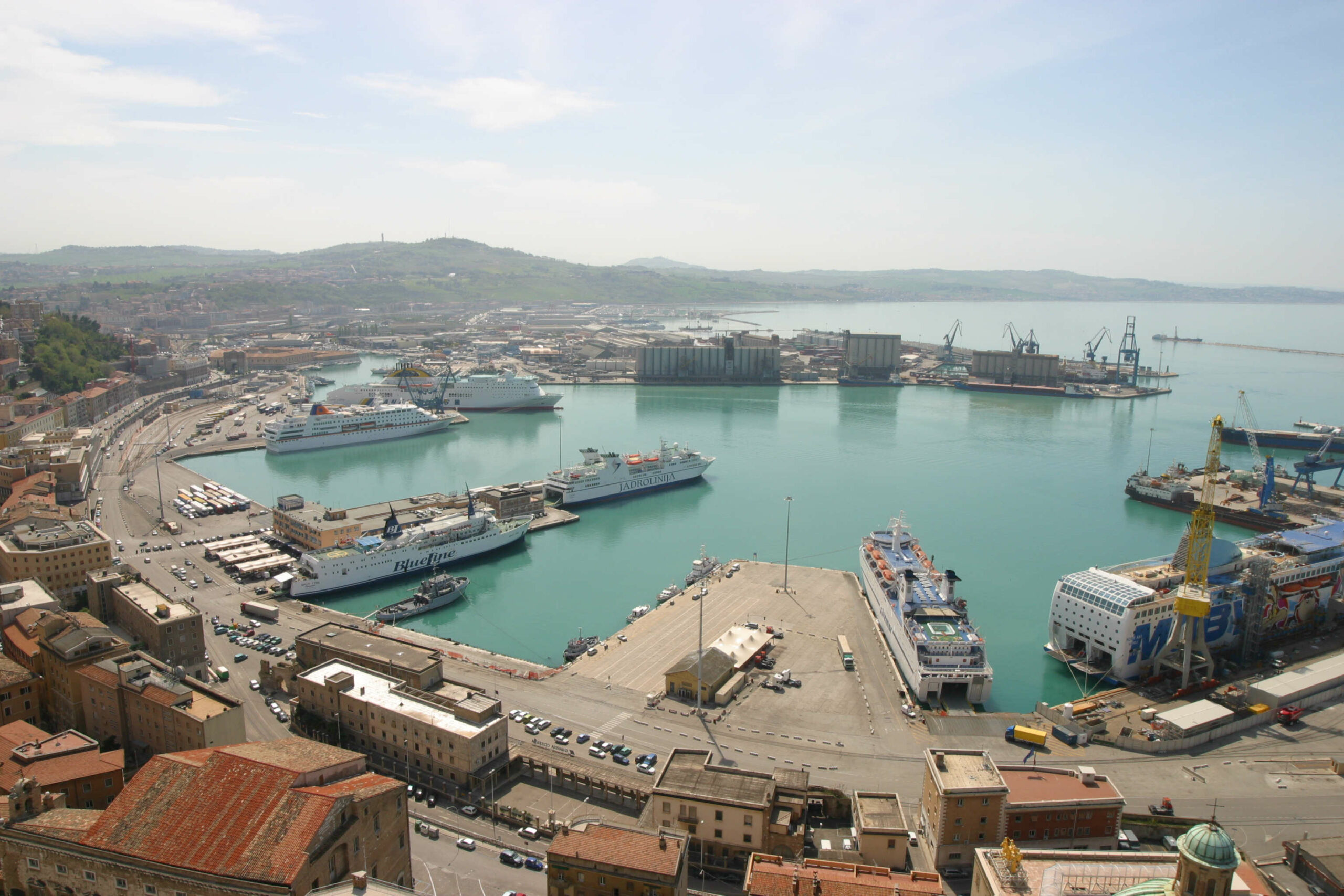
The study also involved the mapping and assessment of ongoing and planned initiatives across Adriatic-Ionian ports, with the objective of identifying scalable solutions, strategic investment priorities, and projects with potential eligibility for European Territorial Cooperation (ETC) and transnational funding programmes.
The process was supported by continuous coordination with institutional stakeholders and thematic working groups, contributing to the definition of shared implementation pathways and long-term development strategies for the macro-region.
The study identified a range of initiatives and development pathways aimed at reducing the environmental impact of maritime and port activities, accelerating the adoption of low-emission technologies, and strengthening the role of ports as integrated energy, logistics, and innovation hubs.
Through the analysis of international best practices and regional opportunities, the project also highlighted implementation priorities, funding opportunities, and scalable actions capable of supporting future investments and cross-border cooperation across the macro-region.
By combining strategic analysis, benchmarking activities, and policy-oriented recommendations, the study contributed to enhancing the competitiveness, resilience, and sustainability of the Adriatic-Ionian port network, while supporting alignment with broader European decarbonization and smart mobility objectives.