Enhancing accessibility and multimodal performance across Italian railway stations

Conducting a feasibility study for the Italian national railway station network presented a significant level of complexity, primarily due to the scale and diversity of the system and the heterogeneity of the territorial contexts managed by Rete Ferroviaria Italiana (RFI).
The railway networks extend across thousands of kilometers across Italy, connecting a wide range of urban, suburban, and regional contexts, each characterized by distinct mobility patterns and infrastructure conditions.
To ensure a robust and representative assessment, the study encompassed 40 railway stations distributed across Italy, requiring the development of a scalable and adaptable analytical methodology capable of addressing highly heterogeneous operational and spatial conditions.
Beyond station functionality itself, the challenge was to understand how railway stations operate as multimodal urban nodes, where rail services interact with local mobility systems, public space, pedestrian dynamics, public transport, private vehicles, and emerging shared and micro-mobility solutions.
Systematica supported RFI in the assessment and enhancement of urban accessibility and multimodal integration, focused on improving the overall performance of multimodal mobility systems within small and medium-sized railway stations.
Through a combination of mobility analysis, spatial diagnostics, and station accessibility assessment, Systematica developed an evidence-based framework capable of identifying critical issues and defining targeted intervention strategies adapted to the specific conditions of each station.
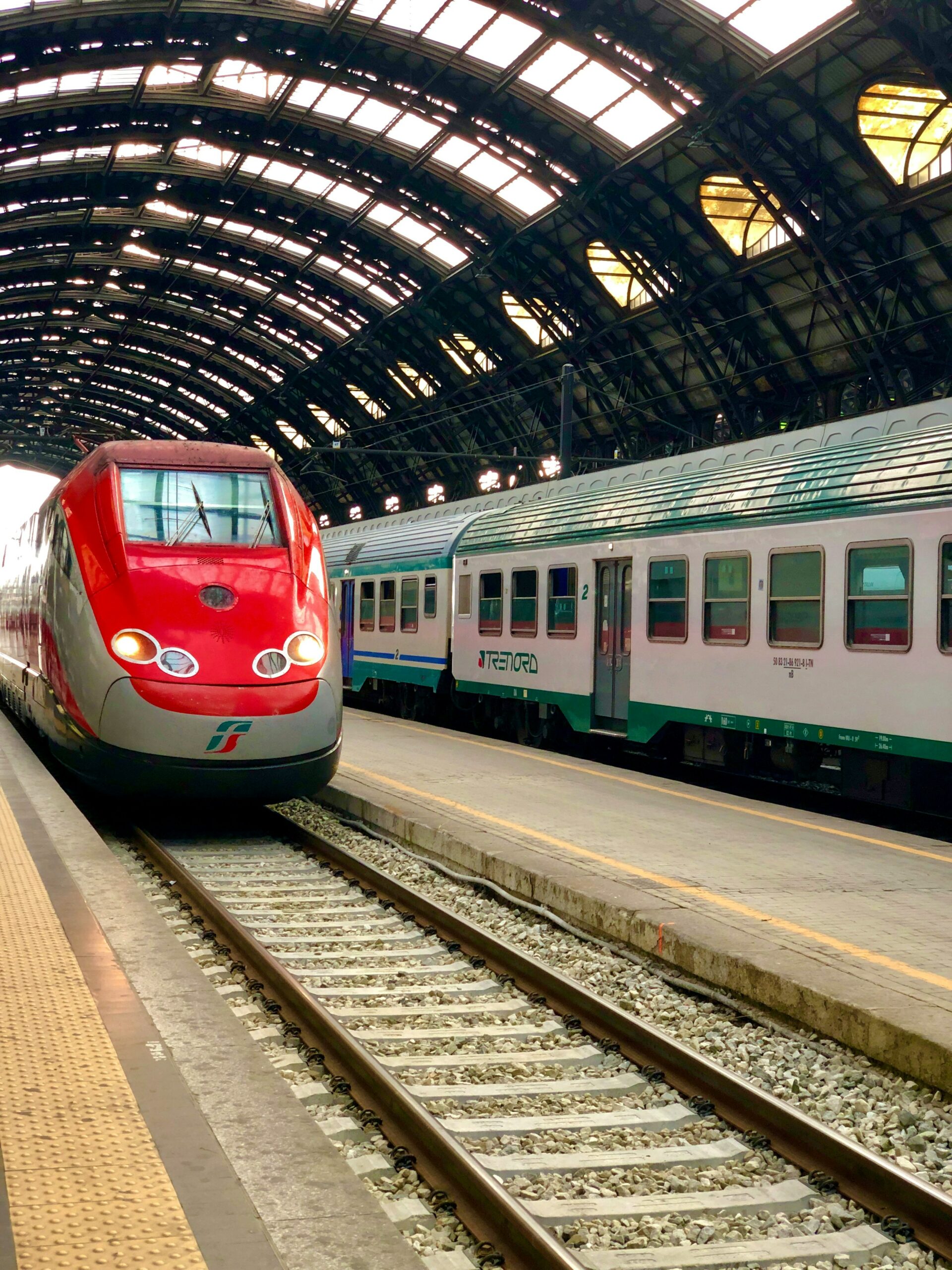
The project adopted a multiscale analytical approach, spanning from territorial accessibility assessments to detailed analyses of station buildings and surrounding public spaces.
The methodology focused on understanding the full spectrum of mobility flows that define the railway ecosystem, including private vehicles, public transport, pedestrian movements, and emerging micro-mobility solutions.
Depending on the characteristics of each station, a tailored set of analyses was applied, including:
- Isochronal accessibility analyses
- Vehicular and pedestrian flow simulations
- Spatial analysis of external areas and station environments
- Multimodal accessibility and interchange assessments
This integrated approach enabled a comprehensive understanding of station performance and the identification of targeted improvement measures.
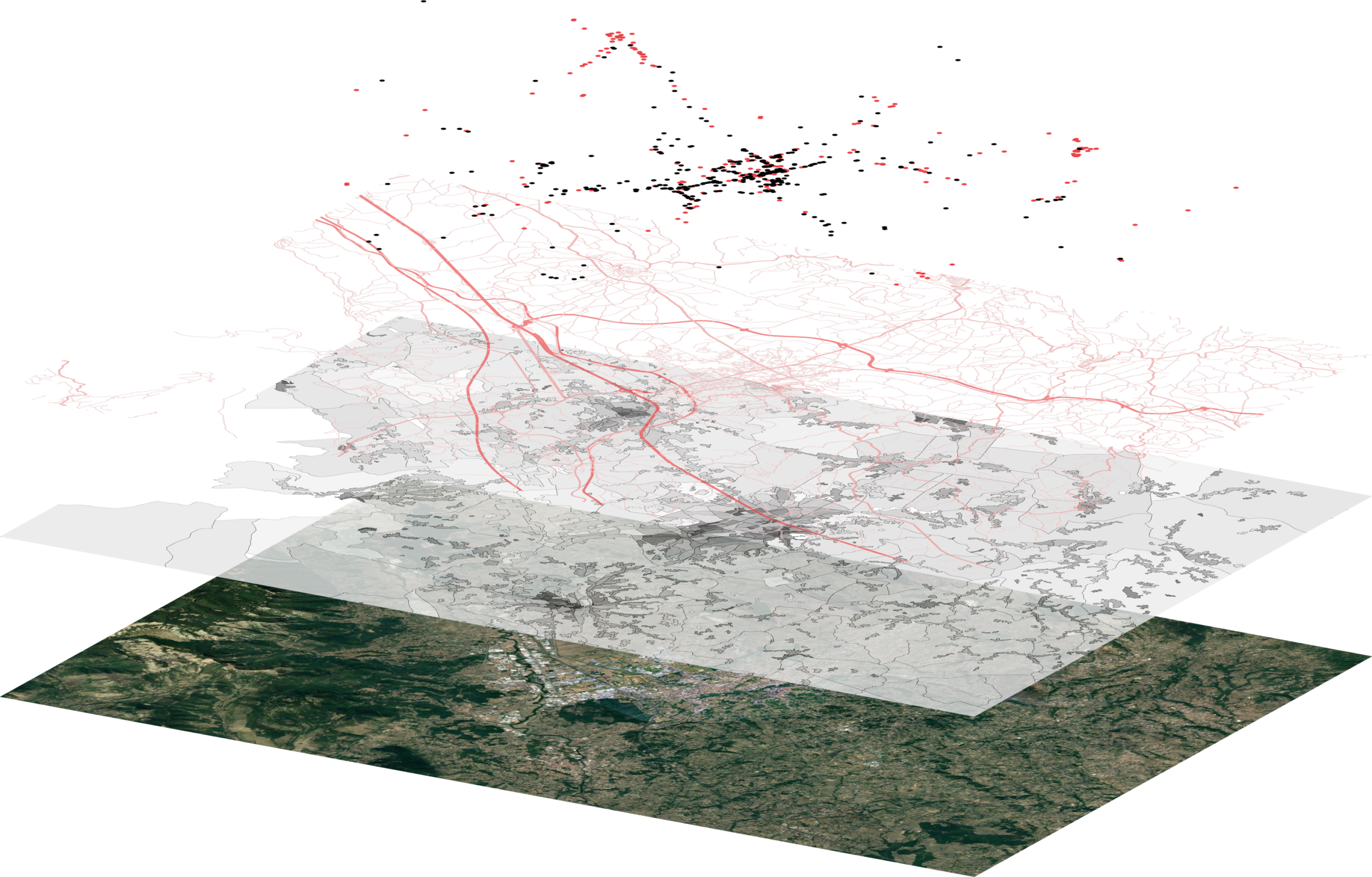
The study delivered a detailed diagnostic framework for accessibility, multimodal integration, and pedestrian dynamics across the selected RFI stations, establishing a strategic benchmark for future station enhancement programs and mobility hub development initiatives.
Key outcomes included:
- Identification of critical accessibility gaps and operational inefficiencies
- Assessment of multimodal interchange performance and first/last-mile connectivity
- Development of targeted recommendations to improve safety, usability, comfort, and passenger experience
- Creation of scalable analytical methodologies applicable across the wider national railway network
Through advanced analytics and evidence-based mobility assessment techniques, the project supported the transformation of railway stations into more efficient, accessible, and user-oriented multimodal hubs integrated within their surrounding urban environments.