Designing zero-impact mobility strategies for Masdar City’s sustainability goals
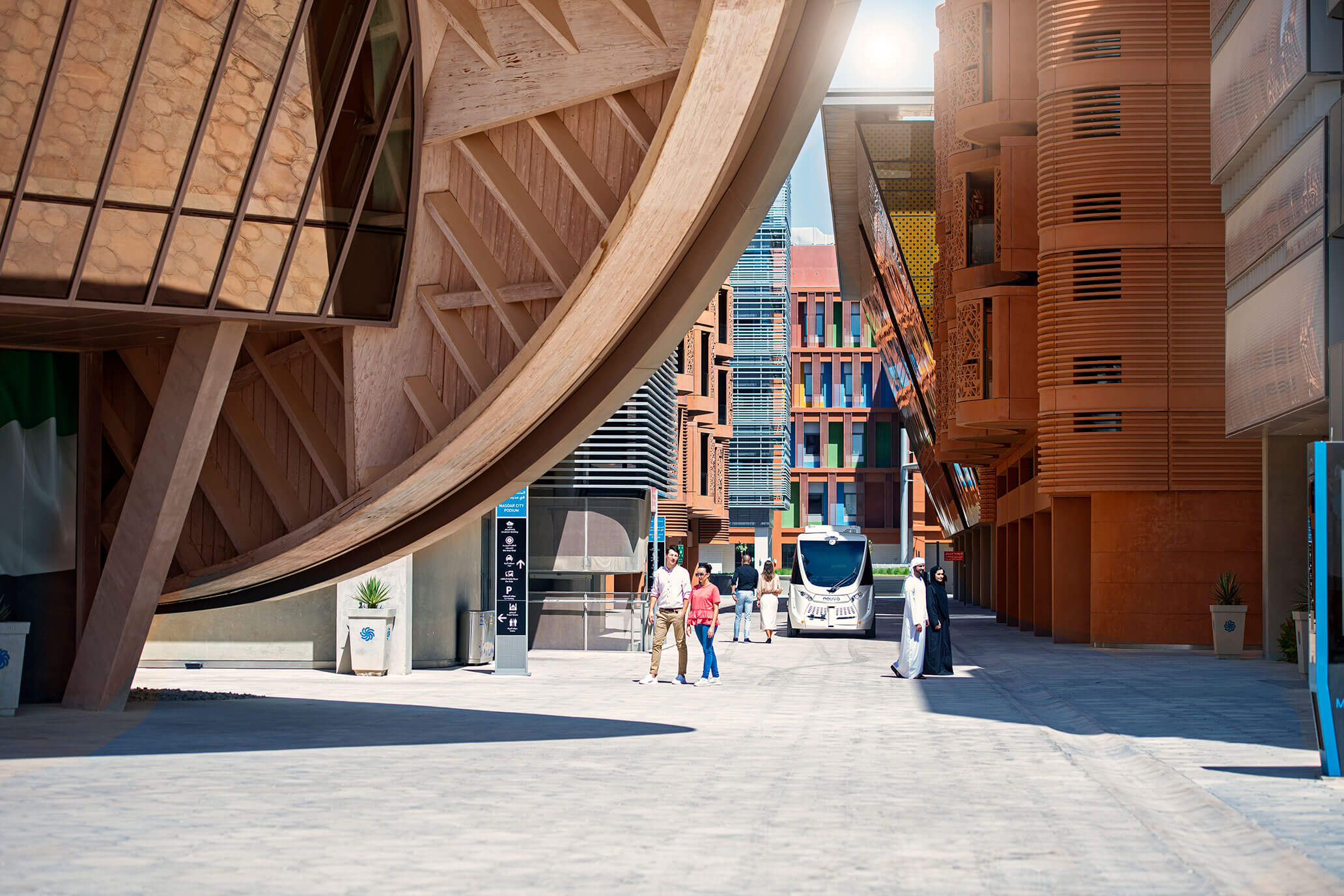
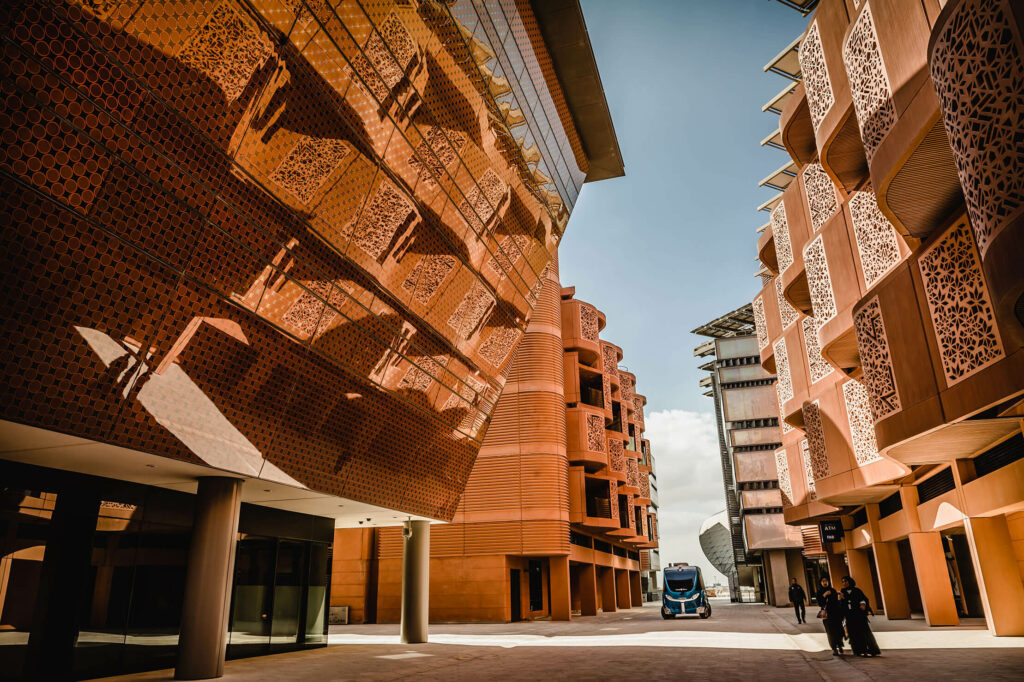
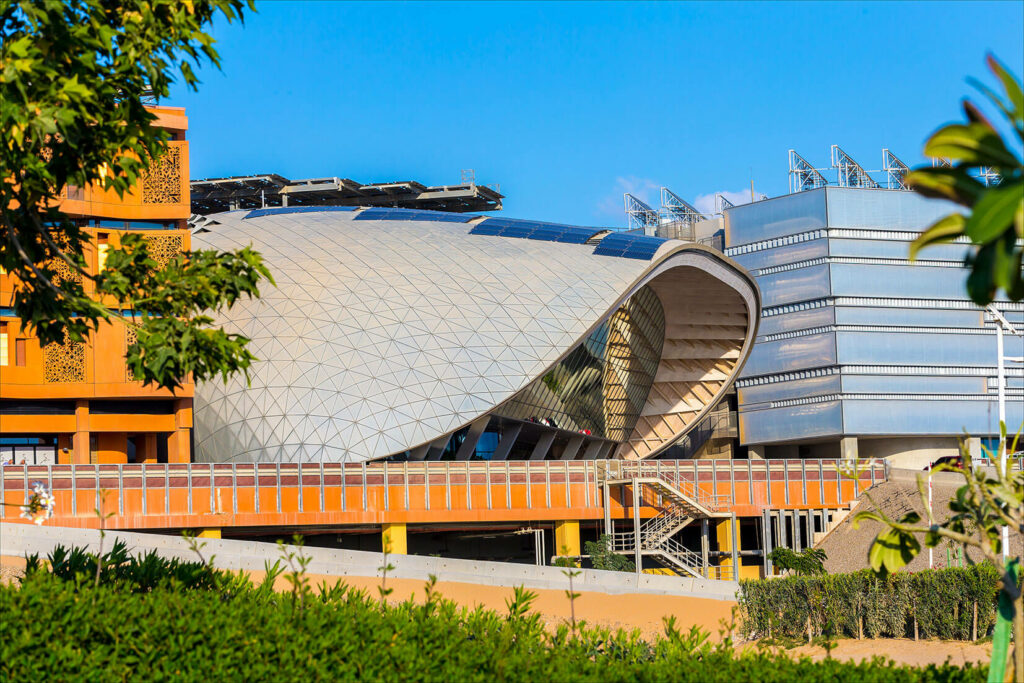
Masdar City is located in Abu Dhabi, the capital city of the United Arab Emirates, and represents an ambitious sustainable urban development.
The project envisioned 6 million sqm mixed-use district designed around the principles of zero-carbon and zero-waste urban development. The initiative was promoted by the Abu Dhabi Future Energy Company, whereas the master plan was developed by Foster + Partners.
Today, Masdar City integrates advanced environmental technologies with the spatial logic of traditional compact cities, creating a highly walkable, climate-responsive, and innovation-driven urban environment.

Systematica joined the multidisciplinary planning and design team as transport and mobility consultant, contributing to the development of the city’s mobility masterplan and sustainable transport strategy.
In particular, our scope covered:
- Broad area analysis
- Traffic impact study and mitigation strategies
- Public and private transport accessibility
- Internal mobility services
- Pedestrian mobility and walkability
- Parking demand estimation and management strategies
- Preliminary transport infrastructure layouts
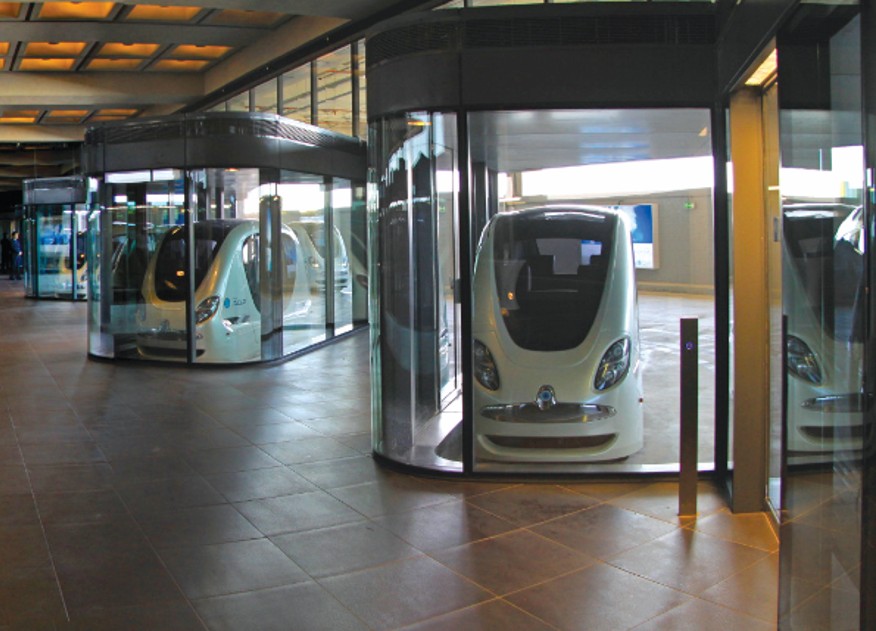
Systematica also supported the design of the innovative public transport system Personal Rapid Transit (PRT), one of the first autonomous zero-emission transport systems integrated into an urban masterplan at this scale.
Systematica supported the working group with its transport consultancy expertise. We developed the mobility framework through a data-driven and multidisciplinary approach focused on achieving zero-impact mobility.
The study evaluated the integration of innovative transport technologies and strategies, combining transport modelling, accessibility analysis, and operational planning to support a highly efficient and low-emission urban environment.

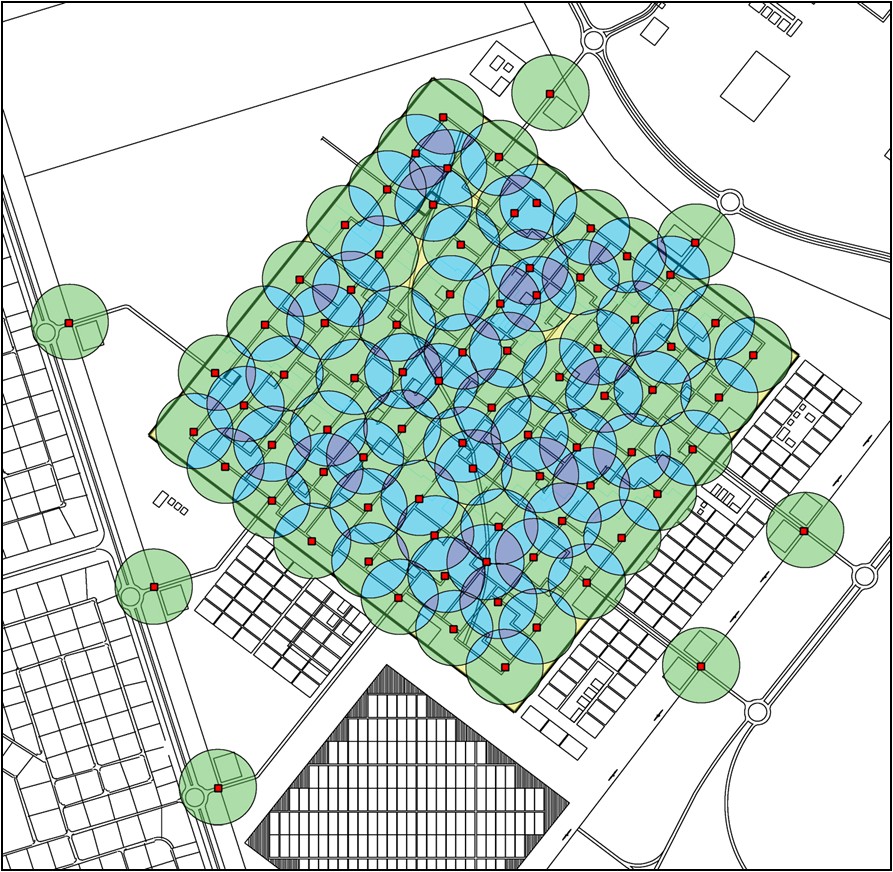
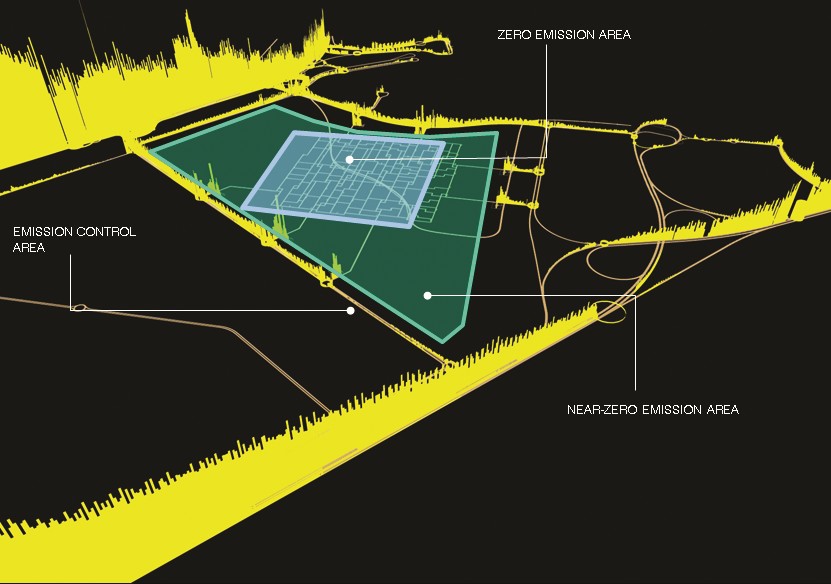
Systematica’s work contributed the development of Masdar City’s mobility master plan, supporting both the development’s long-term operational efficiency and the UAE’s broader net-zero ambitions.
The output included:
- Temporary and permanent transport stations designed to avoid plot landlocking during phased construction of the PRT system
- Coordination of the PRT network with the architectural masterplan and forecast population and capacity requirements
- Internal transport strategy based on way light mobility modes, including pedestrian and cycling networks, segway lanes, lanes for electric vehicles, mechanized corridors and vertical access
- External collective transport integration, through shuttle services connecting Masdar City with Abu Dhabi, the airport, Light Rail Transit (LRT), and regional transport systems
- Private transport and road access system ensuring accessibility for service and emergency vehicles
- Car park framework, including parking location and layout studies, curb management, access systems, and parking technology integration
Overall, the project established a new benchmark for environmentally responsible urban development. Masdar City’s continuous growth is a demonstration of how technological innovation and sustainable mobility strategies can converge into an efficient, resilient urban area.