Designing long-term mobility solutions across multiple transport scenarios to support future developments in the mountains of Jebel al Lawz

Trojena is a key part of NEOM’s regional development plan and Saudi Vision 2030, conceived as a world-class mountain destination that combines natural landscapes with advanced architectural and engineering innovation.
Designed to host six distinctive districts, the development aims to deliver a unique, human-centric experience for residents and visitors while setting a new benchmark for sustainable tourism and luxury lifestyle destinations in the region. In fact, Trojena will be home to Saudi Arabia’s first high-altitude ski village with 30+ kilometers slopes. It will host a range of annual sporting and entertainment events and feature multiple hotels, a wellness resort, restaurants, boutiques, a golf course and a mountainside amphitheater.
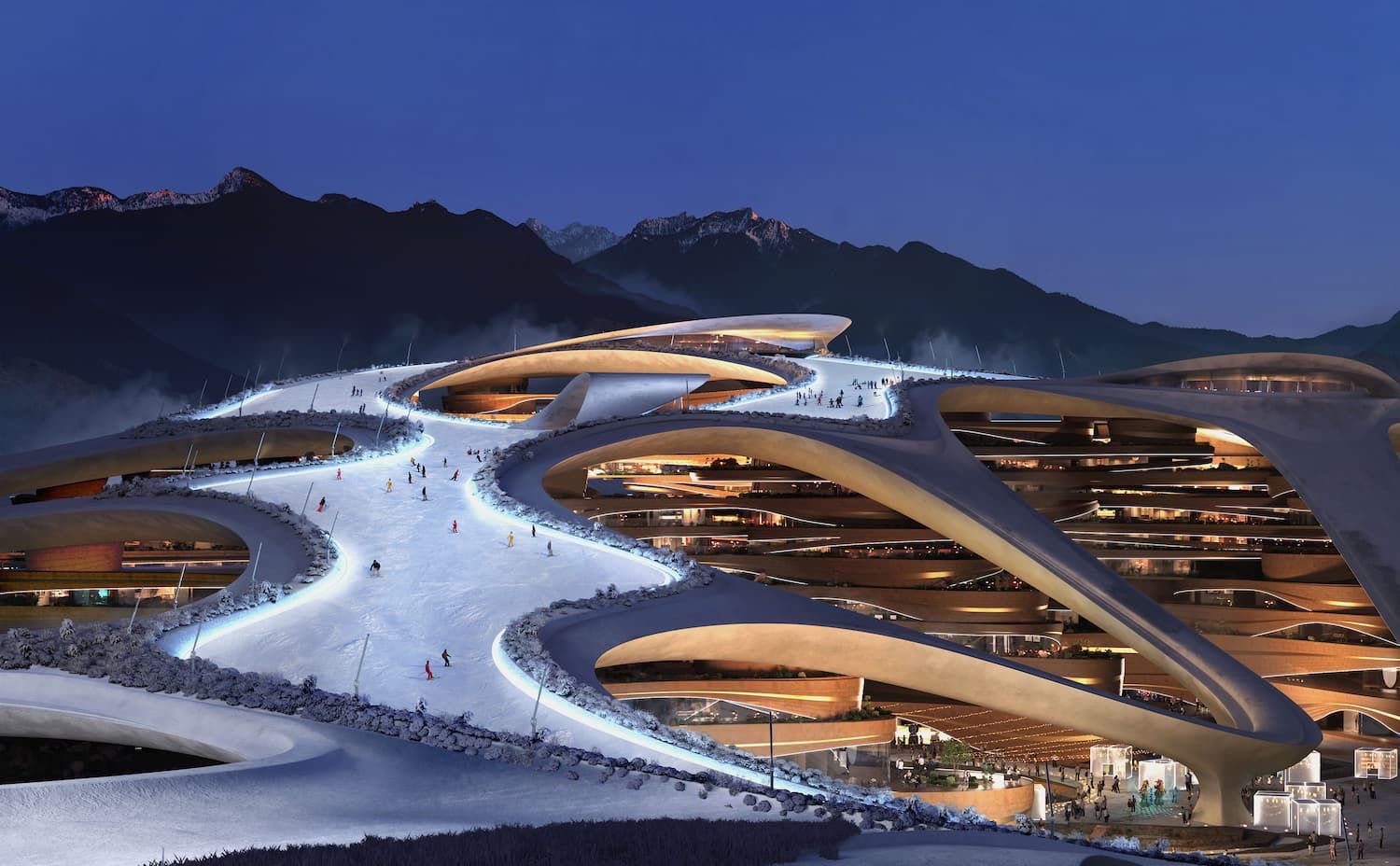
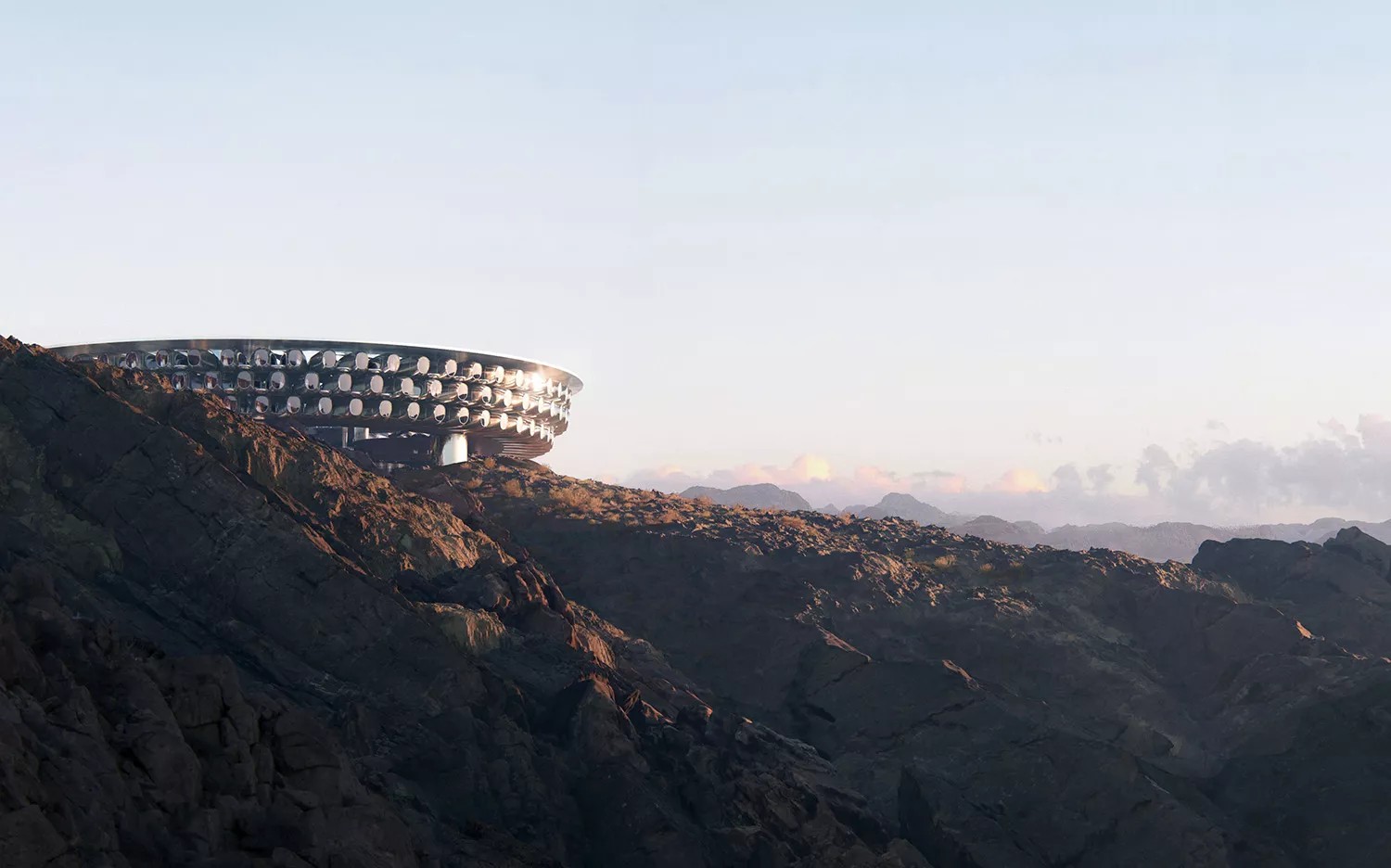
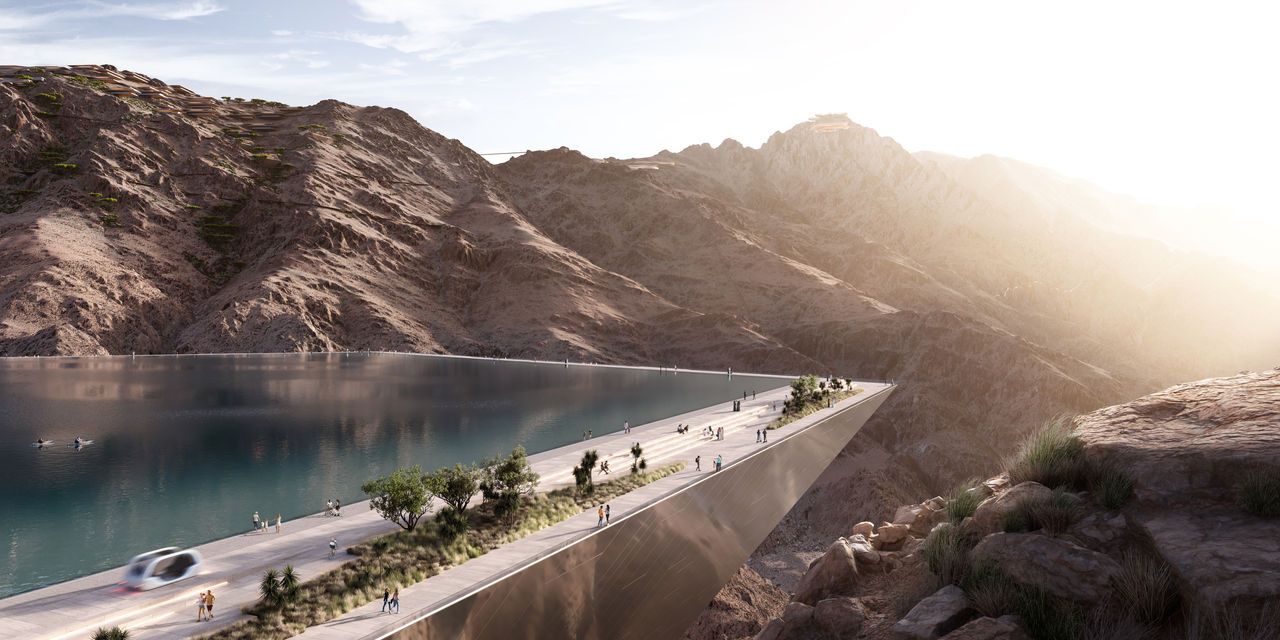
Located approximately 50 km from the Gulf of Aqaba and spanning nearly 60 square kilometres, the site finds itself among the mountain of Jebel al Lawz with altitudes ranging from 1,500 to 2,600 metres above sea level. The scale, topography, and phased delivery of the project presented significant mobility and infrastructure challenges from the earliest planning stages.
Developing an efficient and adaptable transport strategy was essential to support both the initial operational phases and the long-term growth of the destination, while ensuring seamless accessibility, operational efficiency, and a high-quality user experience.
As part of a multidisciplinary consultant team, Systematica led the Strategic Viability Assessment for Trojena’s transport system.
Our role focused on evaluating the introduction of transitional transport modes during the initial operational phases of the development, ensuring that mobility solutions aligned with the project’s long-term vision, operational requirements, and implementation schedule.
Systematica carried out a comprehensive analysis of multiple transport scenarios, integrating different infrastructure and operational parameters into a coordinated evaluation framework.
The study included:
- Traffic modelling
- Operational performance analysis
- Fleet requirements assessment and its impact on planned depot facilities
These analyses were essential to determine the most efficient transport system in line with both the client’s objectives and the Trojena’s future development goals.
The Strategic Viability Assessment provided a robust decision-making framework to support the implementation of an efficient, scalable, and future-proof transport system for Trojena.
The final recommended scenario was selected based on its ability to:
- Ensure smooth and efficient movement of vehicles and pedestrians
- Support long-term road infrastructure and design development objectives
- Deliver a high-quality mobility experience for residents and visitors
By aligning transport planning with phased delivery and long-term growth, our work contributed to the successful development of one of the region’s most ambitious destination projects.