Supporting the development of a new benchmark for integrated logistics zones in Riyadh through mobility planning
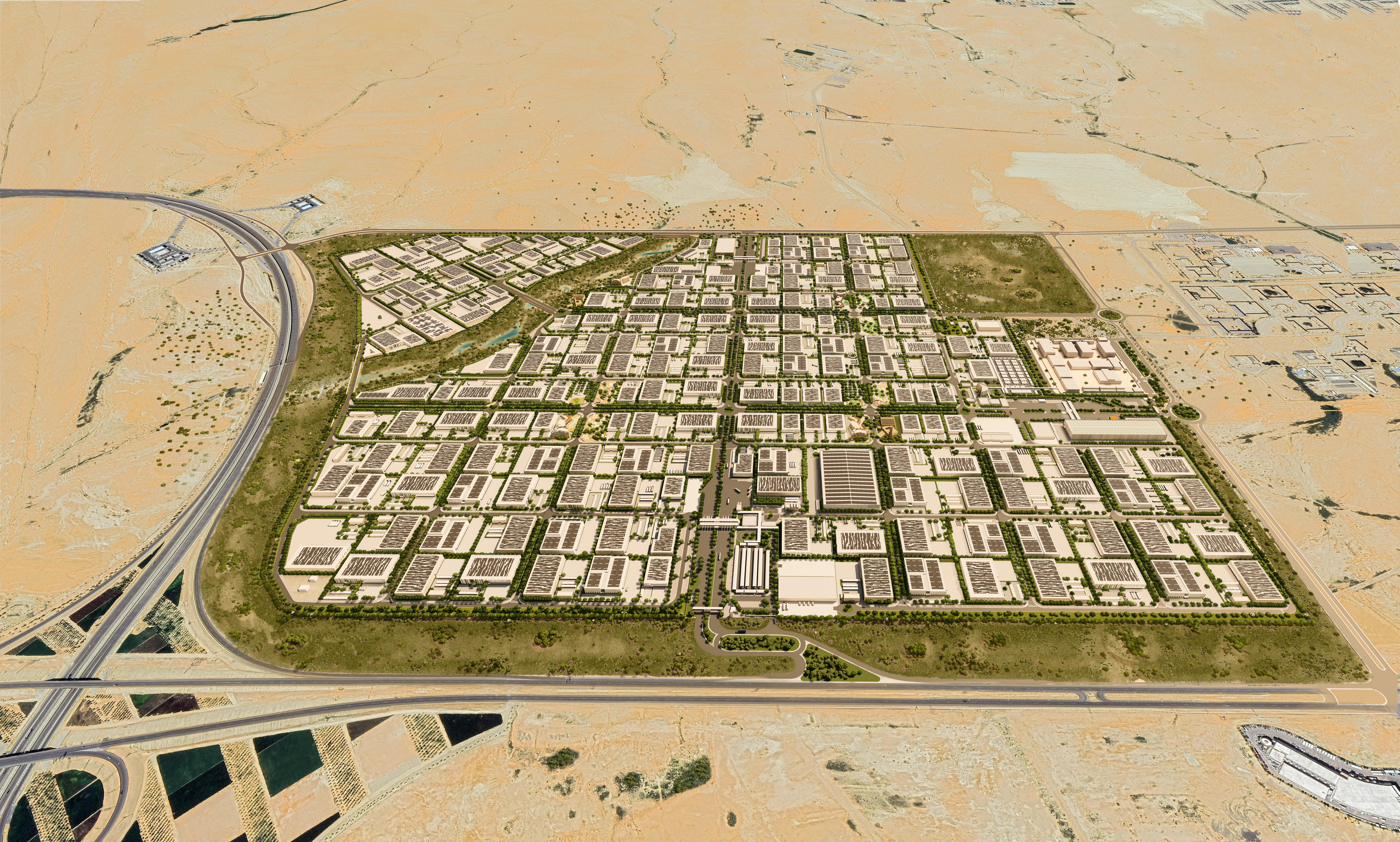
Located within the premises of King Khalid International Airport in Riyadh, the Special Integrated Logistics Zone (SILZ) is a large-scale strategic development designed to support the Kingdom’s long-term economic diversification and logistics ambitions under Saudi Vision 2030.
The development includes approximately 1.4 million sqm of warehousing, light manufacturing, and assembly facilities across a total site area of nearly 3 million sqm, positioning the district as a next-generation logistics and industrial hub for the region.
The project aims to establish a new benchmark for integrated logistics zones by combining operational efficiency, sustainable mobility, advanced technologies, and high-quality urban environments within a rapidly evolving airport ecosystem.
Reducing travel time for people and goods, and increasing the quality and commodity are two essential factors to attract international market leader companies and ensure high level of services and living standards.

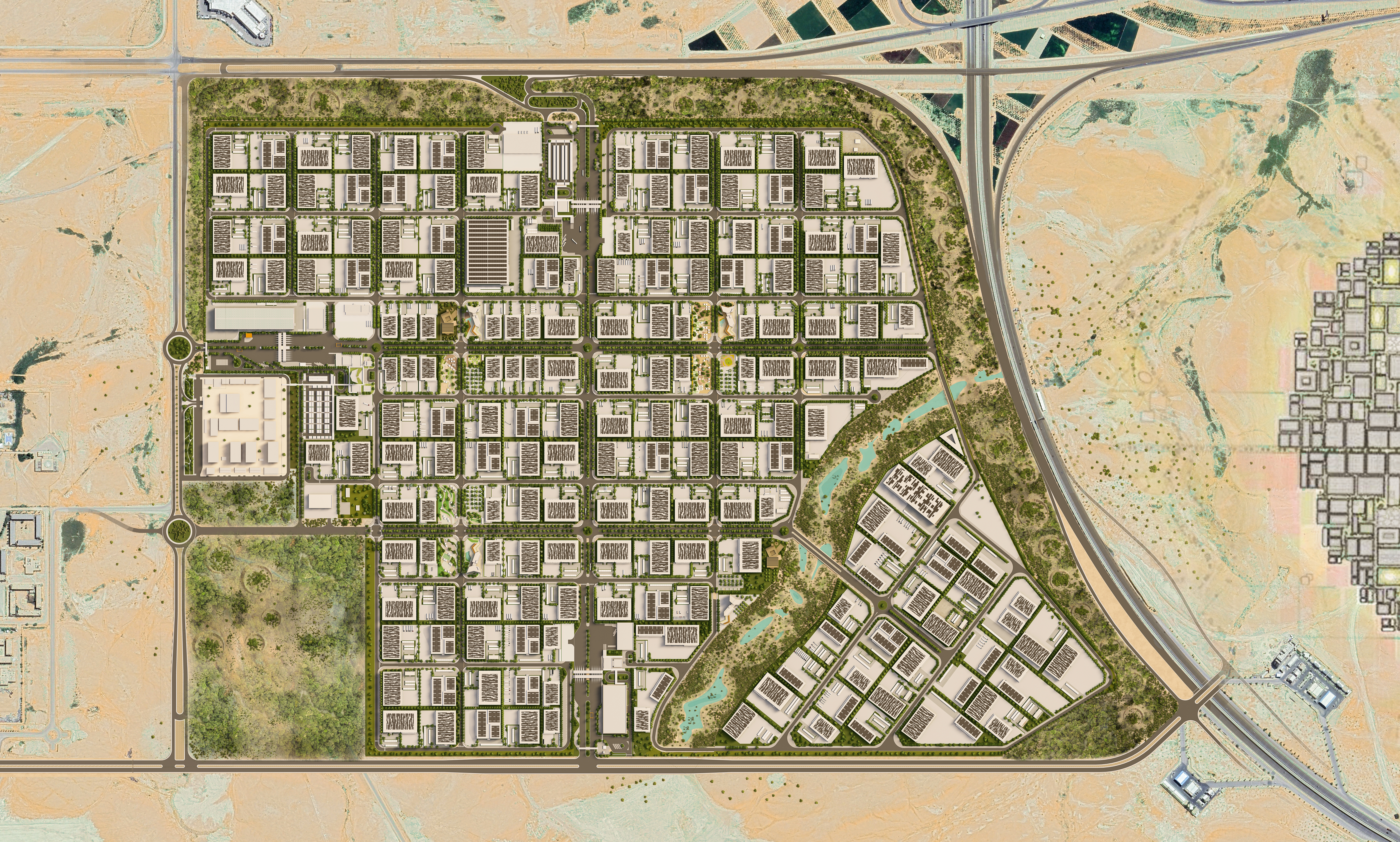
Systematica led the project from the Concept Master Plan (CMP) to the Detailed Master Plan (DMP), ensuring continuity between the initial strategic vision and its detailed implementation. The masterplan proposal developed by Systematica in collaboration with SKP, responsible for the architectural component, is the result of an integrated and multidisciplinary design approach in which all disciplines contribute to achieving the final goal.
The master plan proposal is structured around the following key design strategies:
- Maximizing logistics efficiency through three vehicular access points, connecting the airport cargo area, the city’s ring roads, and the railway cargo line
- Applying a modular and regular master plan structure to support phased implementation, future expansion, and adaptable tenant configurations
- Defining plot sizes and proportions to accommodate flexible facility configurations
- Integrating public realm and amenities to enhance the user experience
Systematica is responsible for overseeing the project’s mobility and infrastructure planning and design components, ensuring that transport systems, circulation networks, logistics operations and public realm strategies work together to support the development’s long-term ambitions.
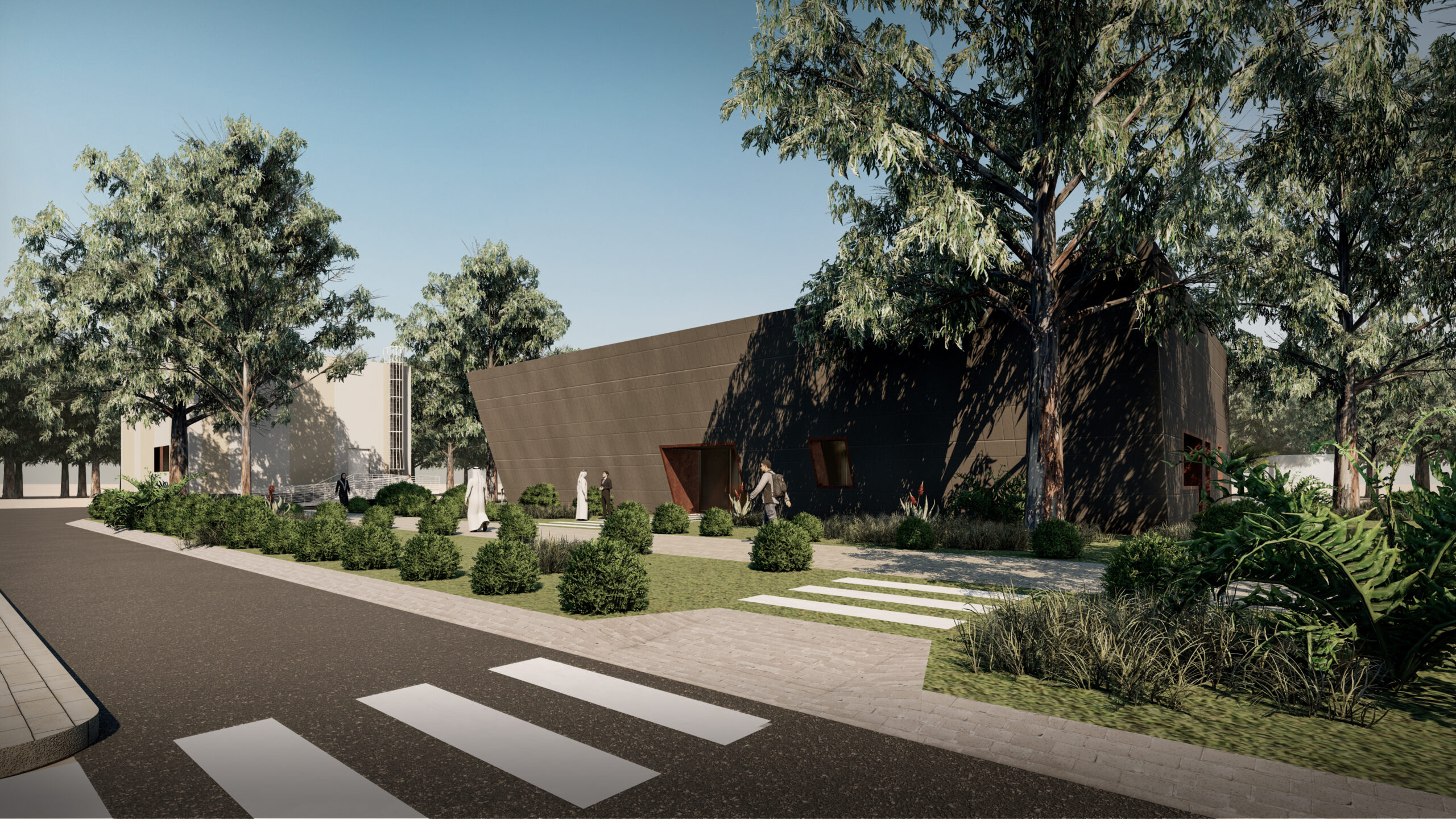
The proposed mobility strategy includes:
- Development of a hierarchical and intuitive road network structure
- Design of a central logistics boulevard dimensioned for high-volume freight movement
- Integration of primary and secondary circulation systems for seamless site accessibility across key facilities
- Plot access optimisation and operational logistics planning
- Internal transit system planning for employees and visitors
Particular attention has been given to reducing reliance on private vehicles through the integration of an efficient internal transit system that connects logistics, manufacturing and employee facilities across the site.
Systematica also carried out the Traffic Impact Assessment, which played a key role in verifying and validating the performance of the proposed design solutions, ensuring that the master plan could effectively accommodate future mobility demand while maintaining adequate operational efficiency and service levels.
These activities included:
- Travel demand forecasting
- Parking demand estimation
- Internal public transport service assessment
- Impact assessment of traffic on external access points and the internal road network through macroscopic and microscopic traffic modelling
- Mitigation interventions plan to ensure an adequate level of service for both SILZ users and external traffic