Supporting Benghazi’s 2050 vision through coordinated planning and digital tools

Benghazi stands at a turning point. Years of conflict have left lasting scars, and rapid post-war growth now strains housing, infrastructure and the environment, putting the city’s heritage, culture and nature at risk. Coordinated planning is essential to protect what makes Benghazi unique and leverage its investment potential.
The Next Generation City Plan sets out
strategically positioned at the gateway between Africa and Europe.
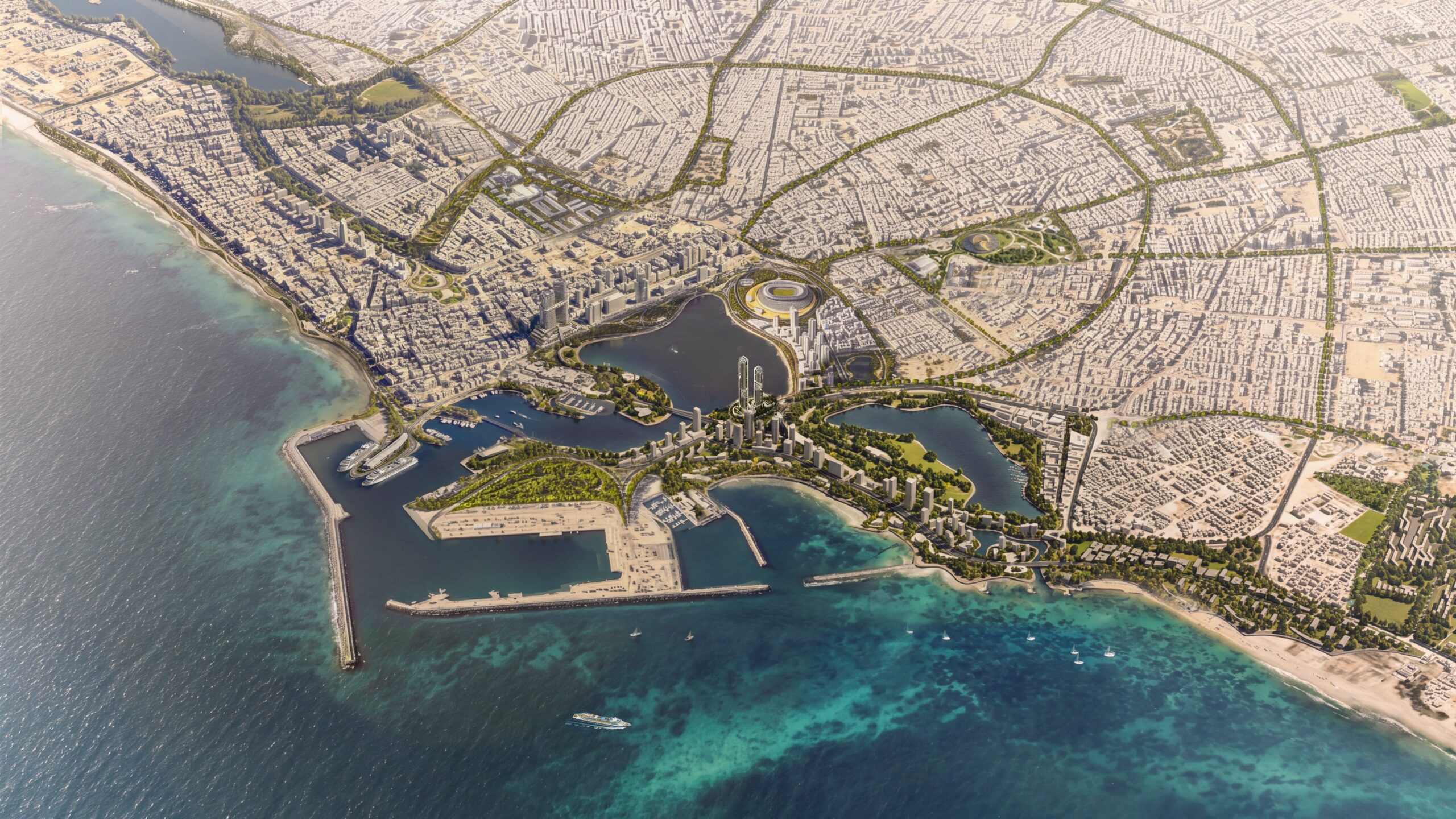
Coordinated data-driven systems align infrastructure, community facilities and public spaces around a clear idea: separating Benghazi’s role in trade and logistics from its future as a Mediterranean destination.
The Old Town can thrive as a hub for culture, tourism and small business, while Benghazi University drives a knowledge economy that attracts talent. By relocating cargo operations to the new El Mreisa port, Benghazi’s historic harbour is freed to become a leisure and tourism destination, transforming the Old Town into a vibrant cultural waterfront.
At the heart of this effort is the Digital Planning Hub, a single source of truth for coordinated planning. Interactive dashboards and story maps bring together population, economic, land use, transport, environment and infrastructure data, laying the foundation for
Systematica joined a multidisciplinary consortium led by A&O TEC,alongside Prior+Partners, ZHA, Homa, Buro Happold and Fichtner, to shape the future of Benghazi.
Drawing on extensive mobility and transport analysis — covering transport infrastructure, logistics, parking, active mobility and movement patterns — and close collaboration with local stakeholders, Systematica built a clear, data-driven picture of Benghazi’s current urban transport system and helped envision a bold mobility strategy for the city.
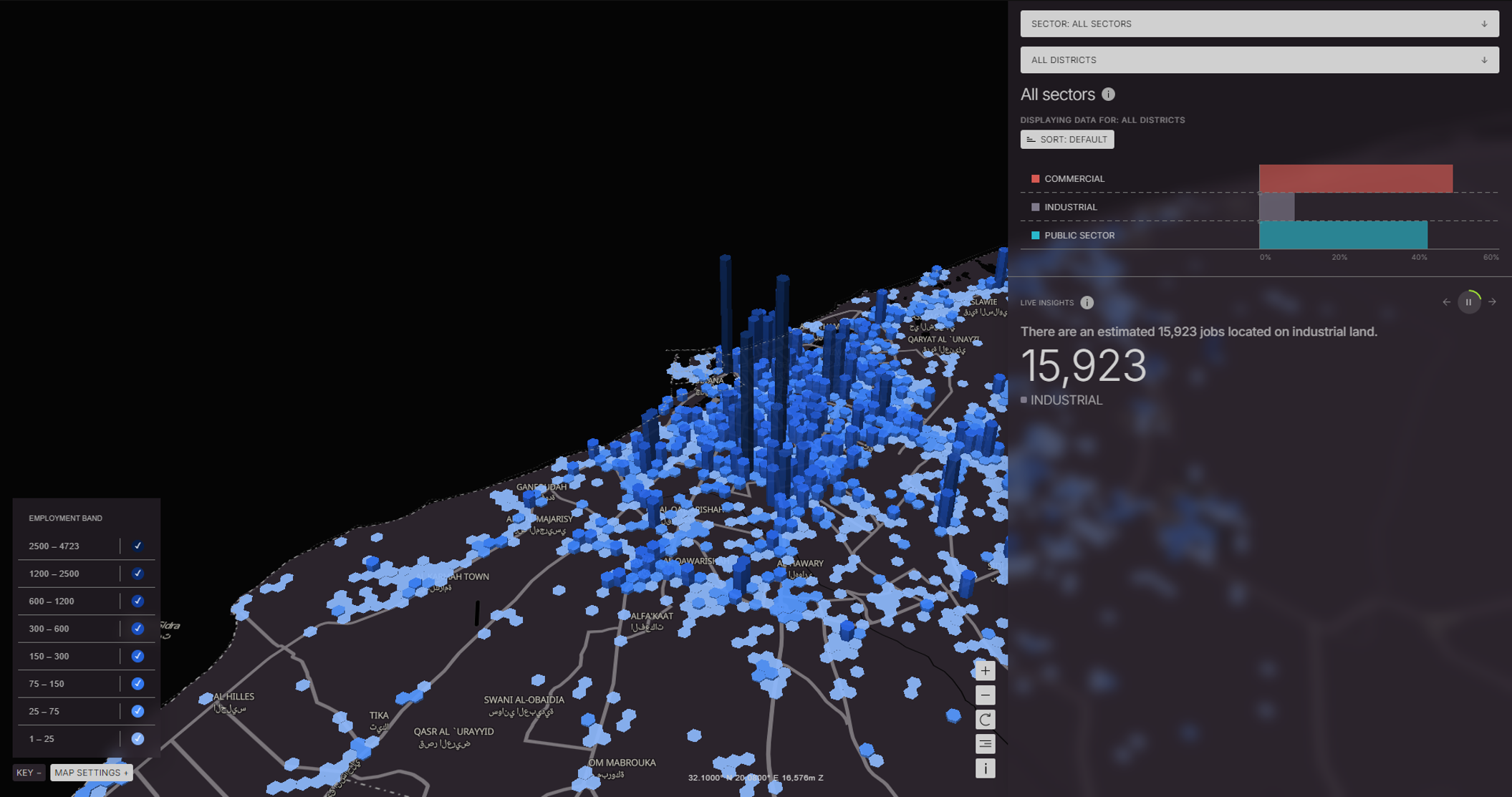
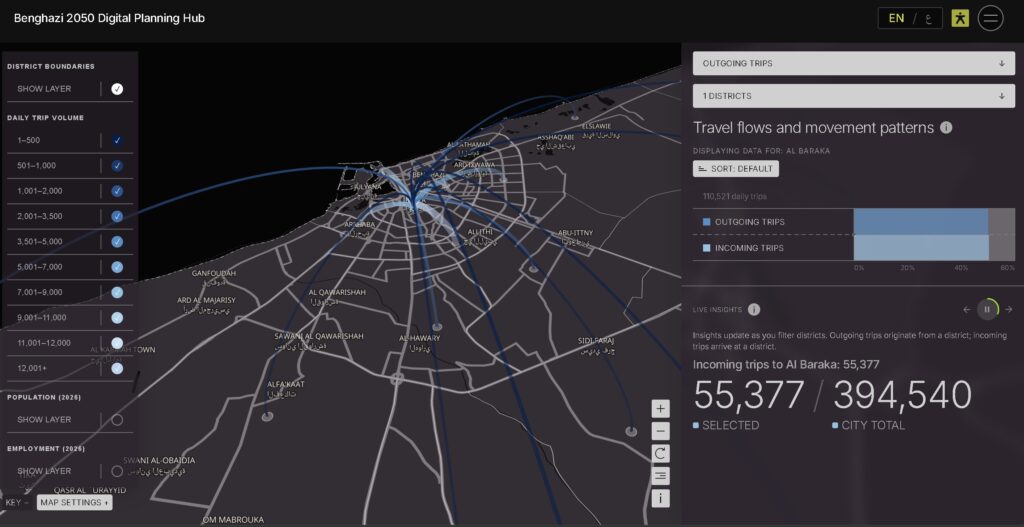
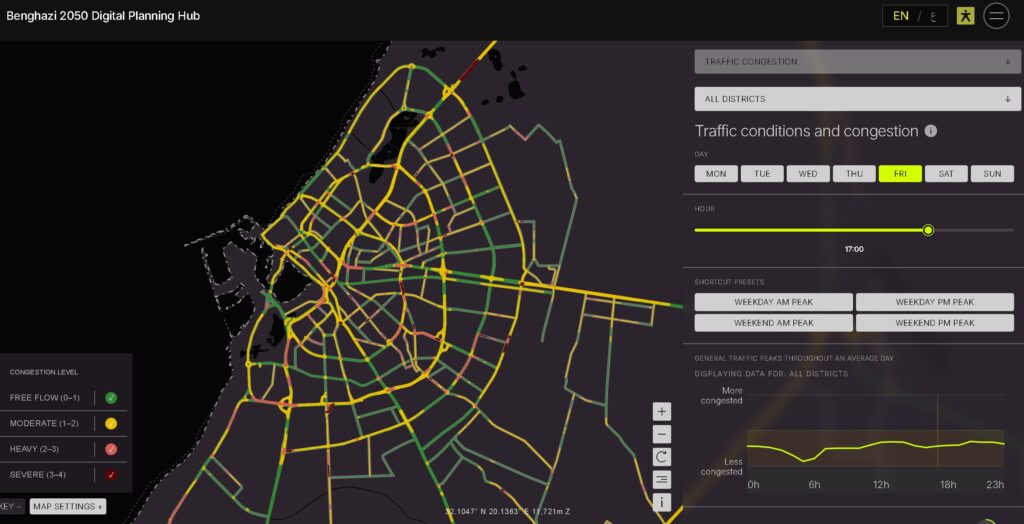
The planning process involved extensive research using various data sources, as well as broad collaboration with a diverse group of stakeholders.
The consortium focused on the development of:
- Collecting comprehensive data to bridge the data gap and establish the foundation for future planning
- Engaging stakeholders to better understand local realities and future aspirations
- Developing a digital twin: a single platform combining all urban data into a powerful tool for planners and investors
- Defining a vision for Benghazi: an ambition tailored to the city, combining local and regional opportunities while addressing its key challenges
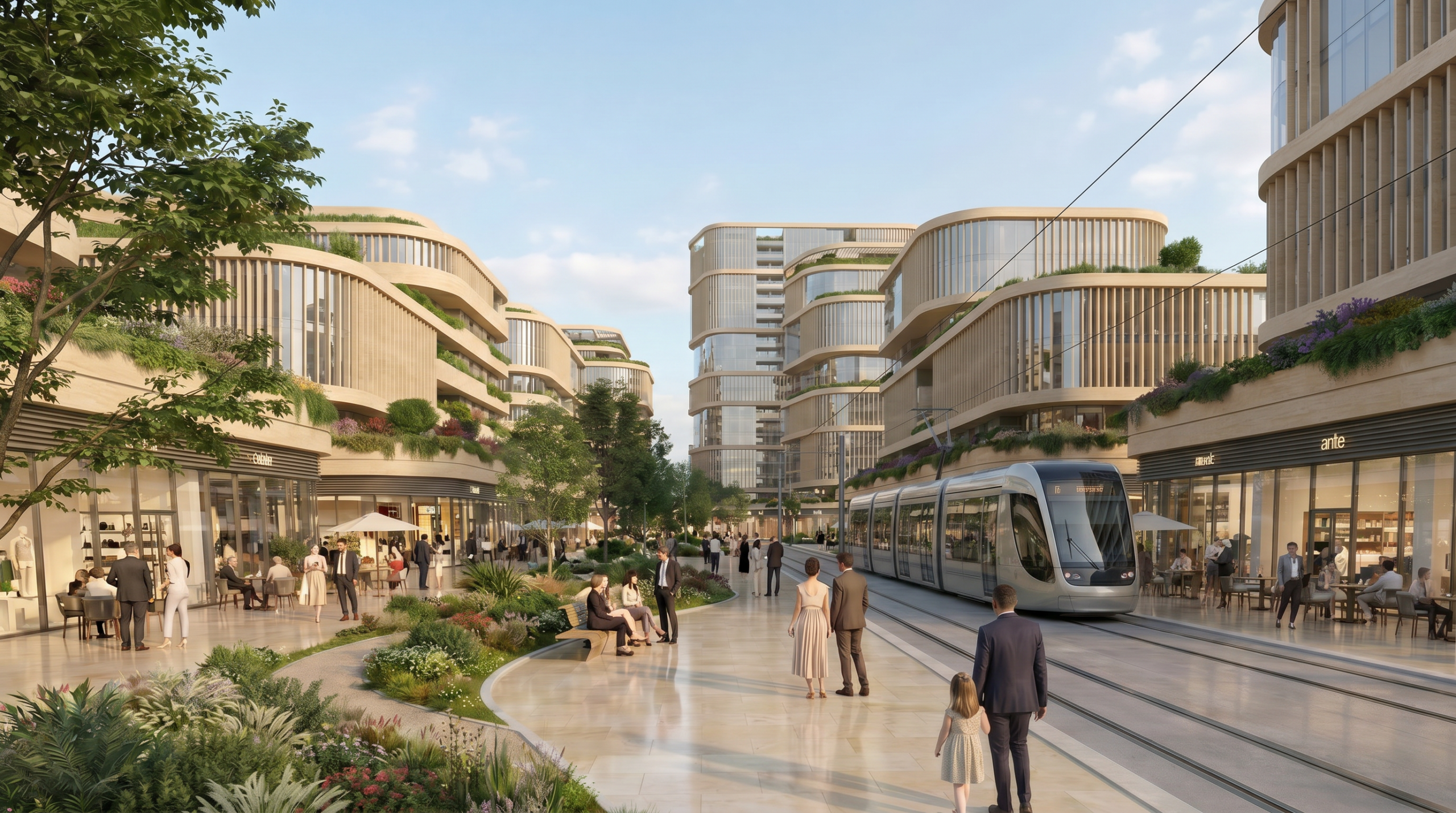
The result is a robust evidence base, synthesized into clear principles for mobility planning and integrated into the Digital Planning Hub, ready to inform decisions at all scales.
Building on this foundation, the transport strategy sets out key measures such as a mass public transport system serving the entire city, a planned logistics network combining new infrastructure and corridors, and a clear road hierarchy that facilitates traffic flow while promoting walkability within local areas.
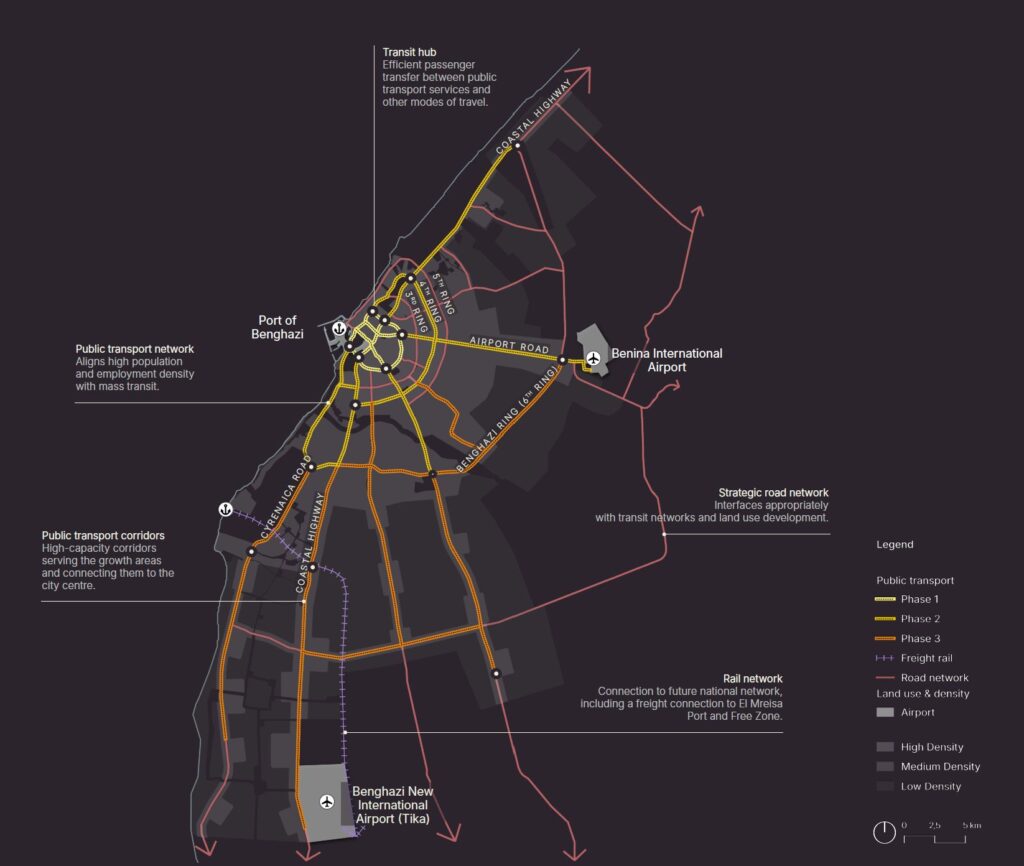
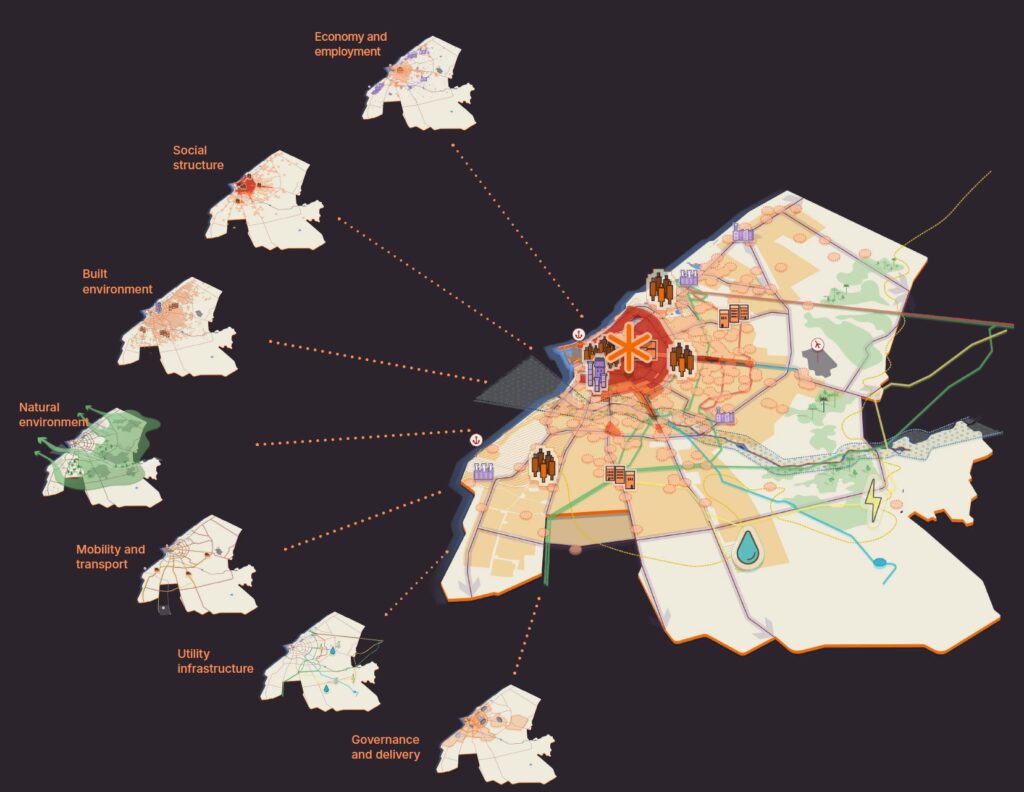
Together with the expertise of the wider consortium, this mobility and transport vision forms a comprehensive framework guiding Benghazi’s development through 2050 — one that honours the city’s pre-war legacy while charting a feasible path forward.